
Linen Clothing
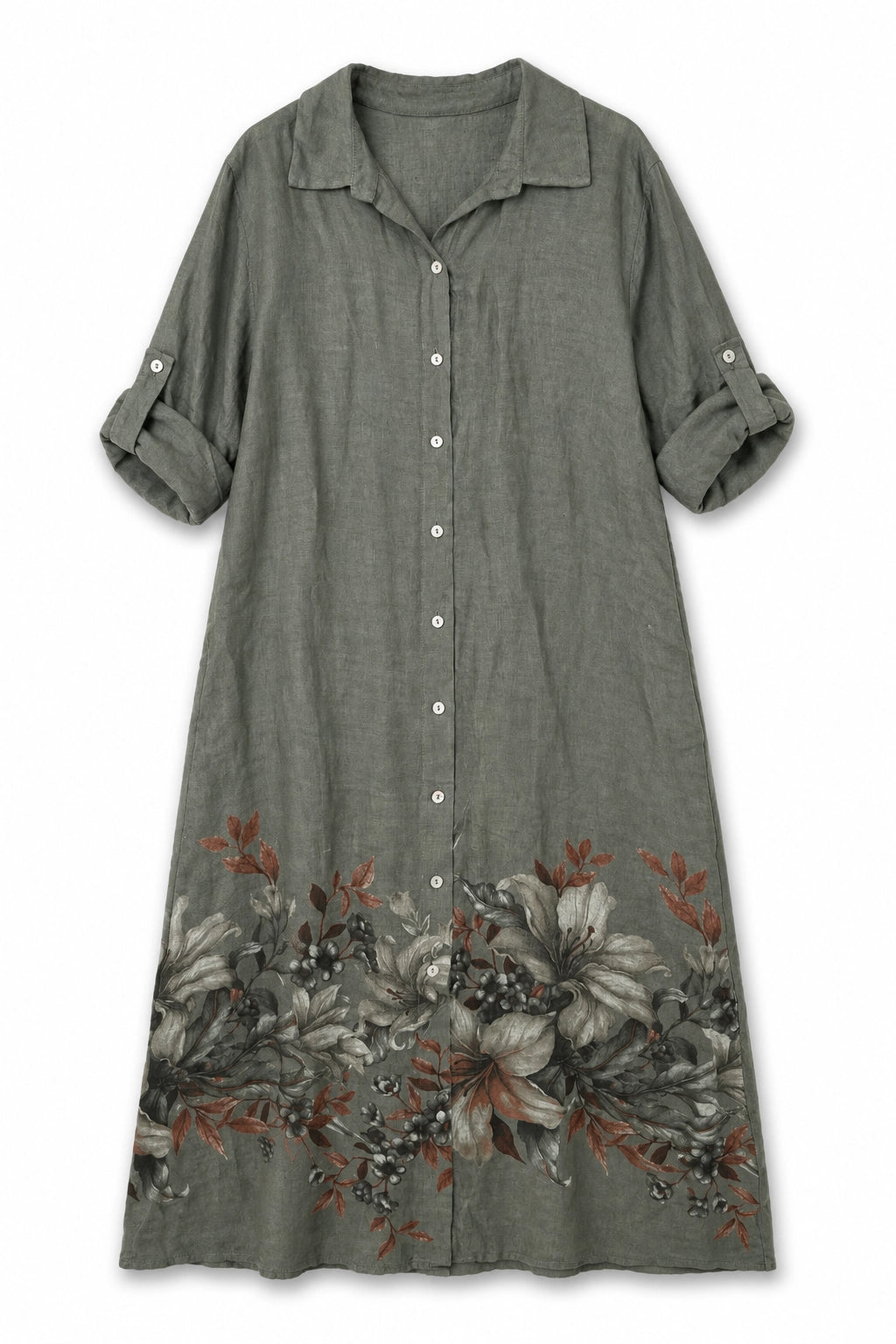
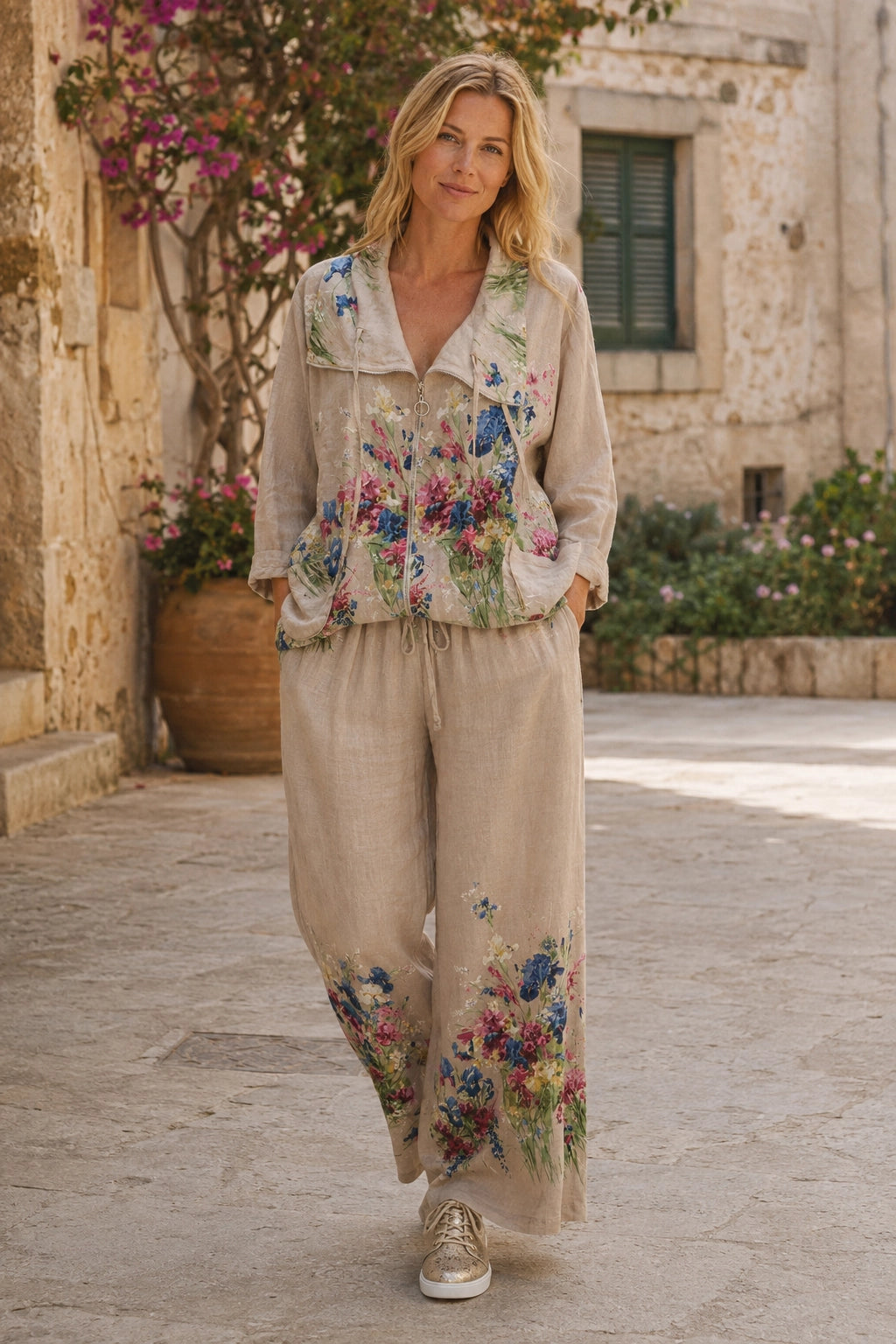
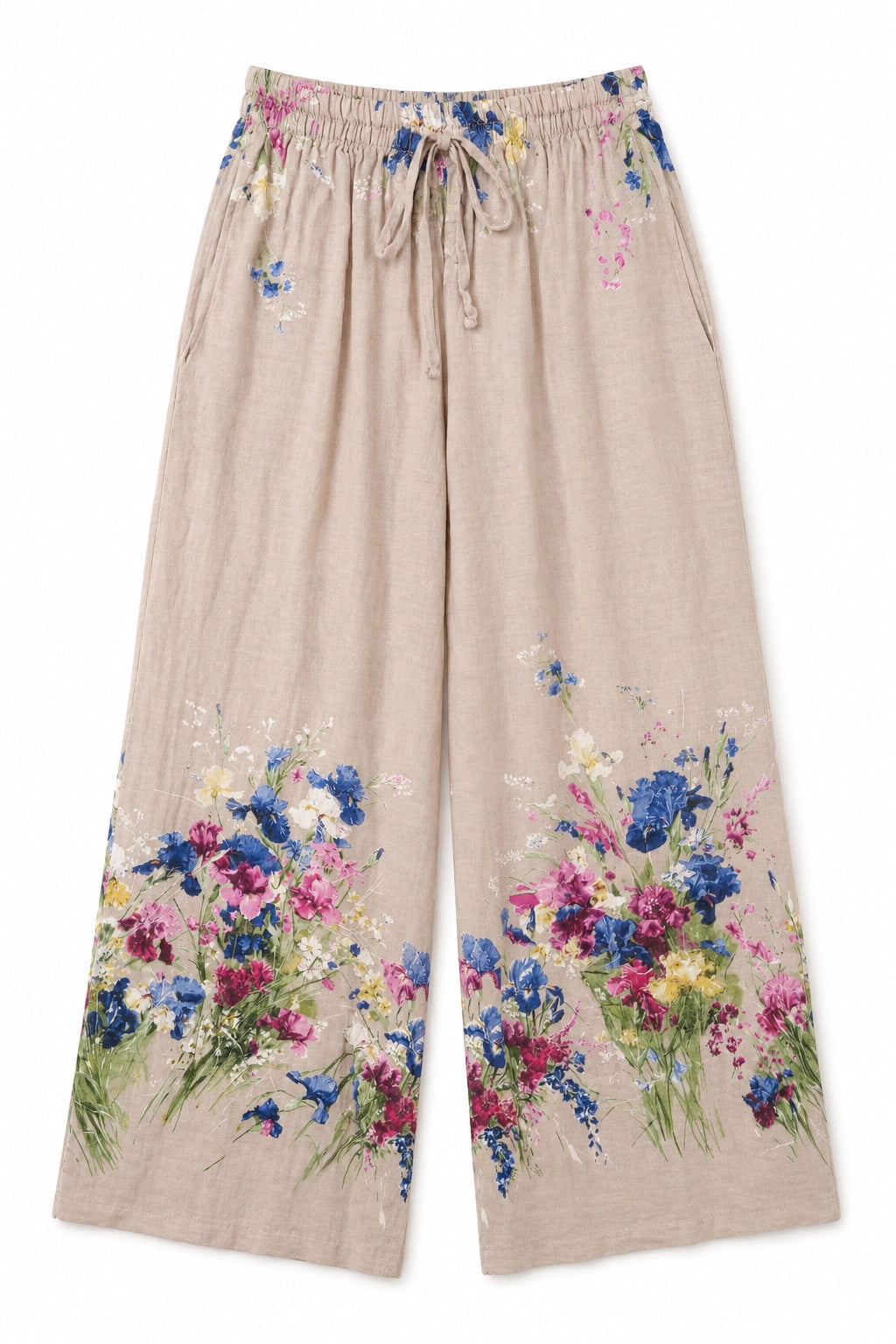
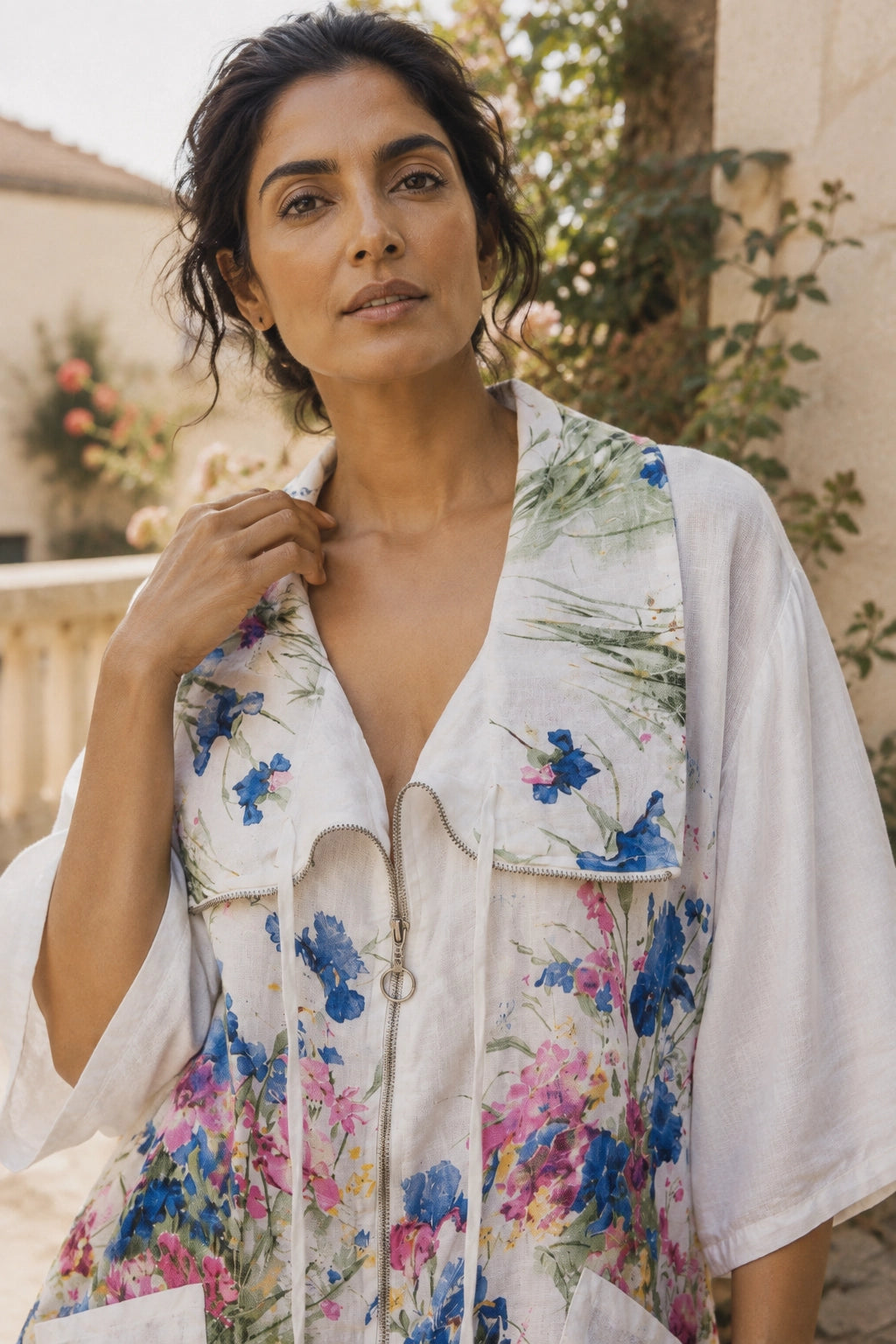
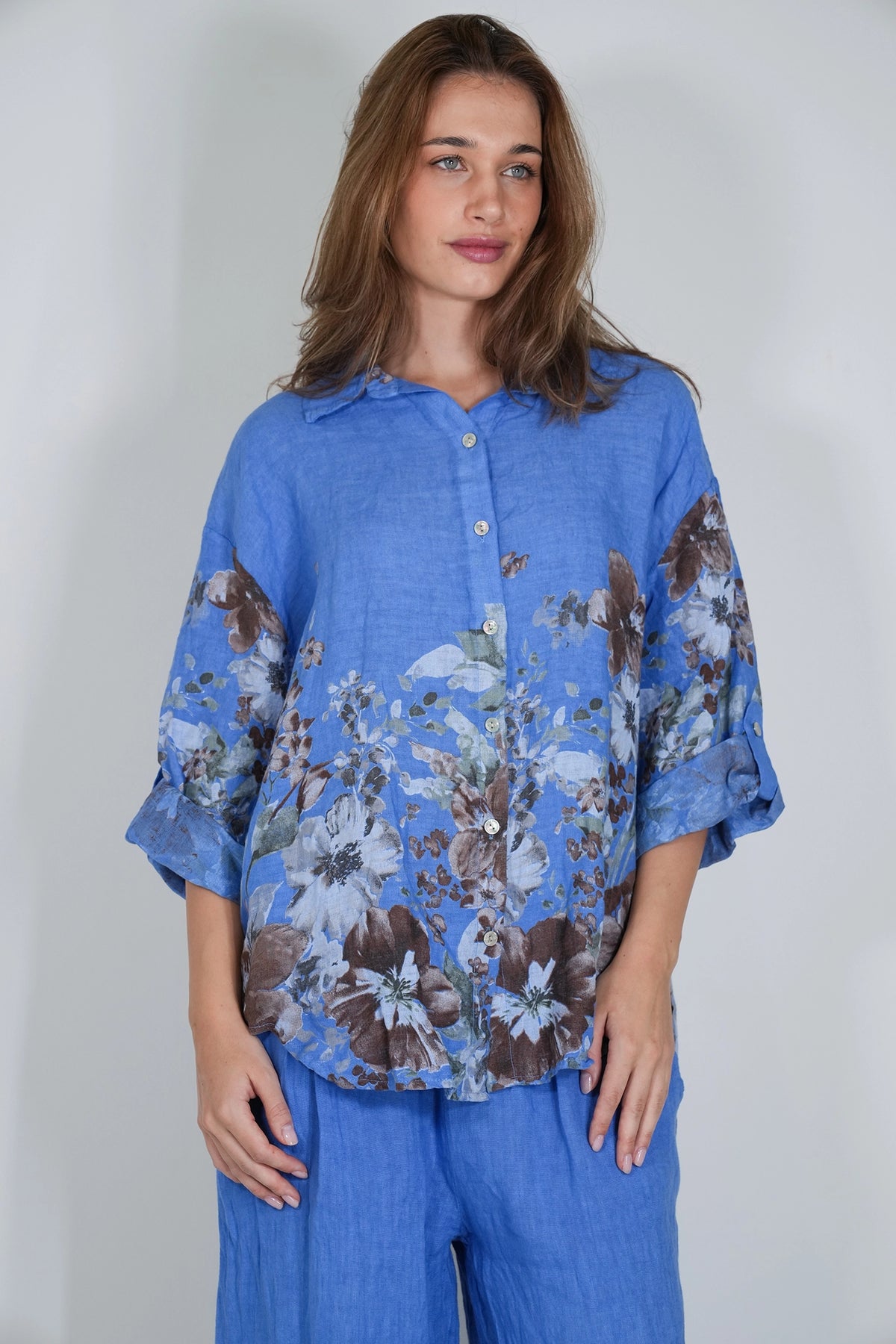
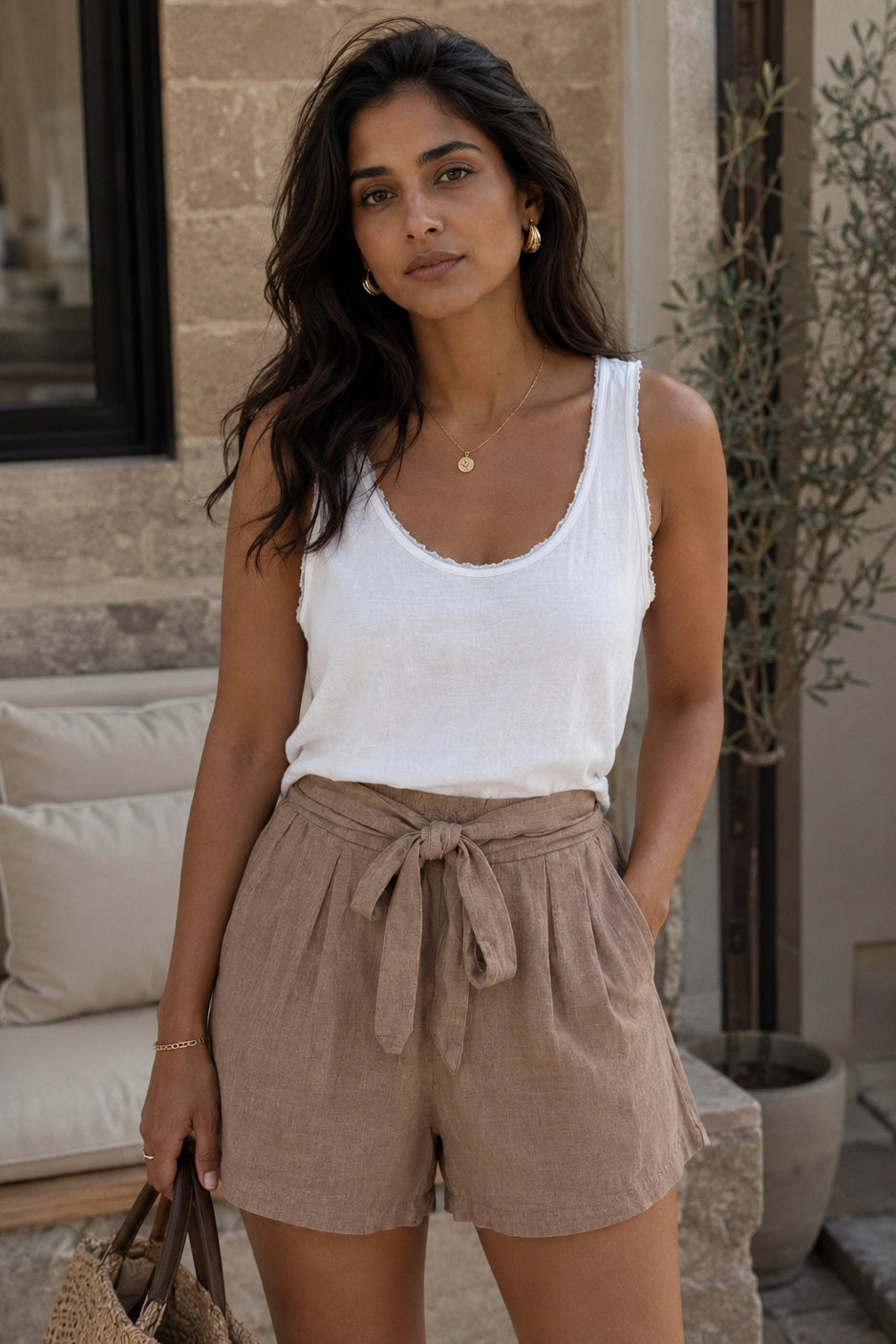
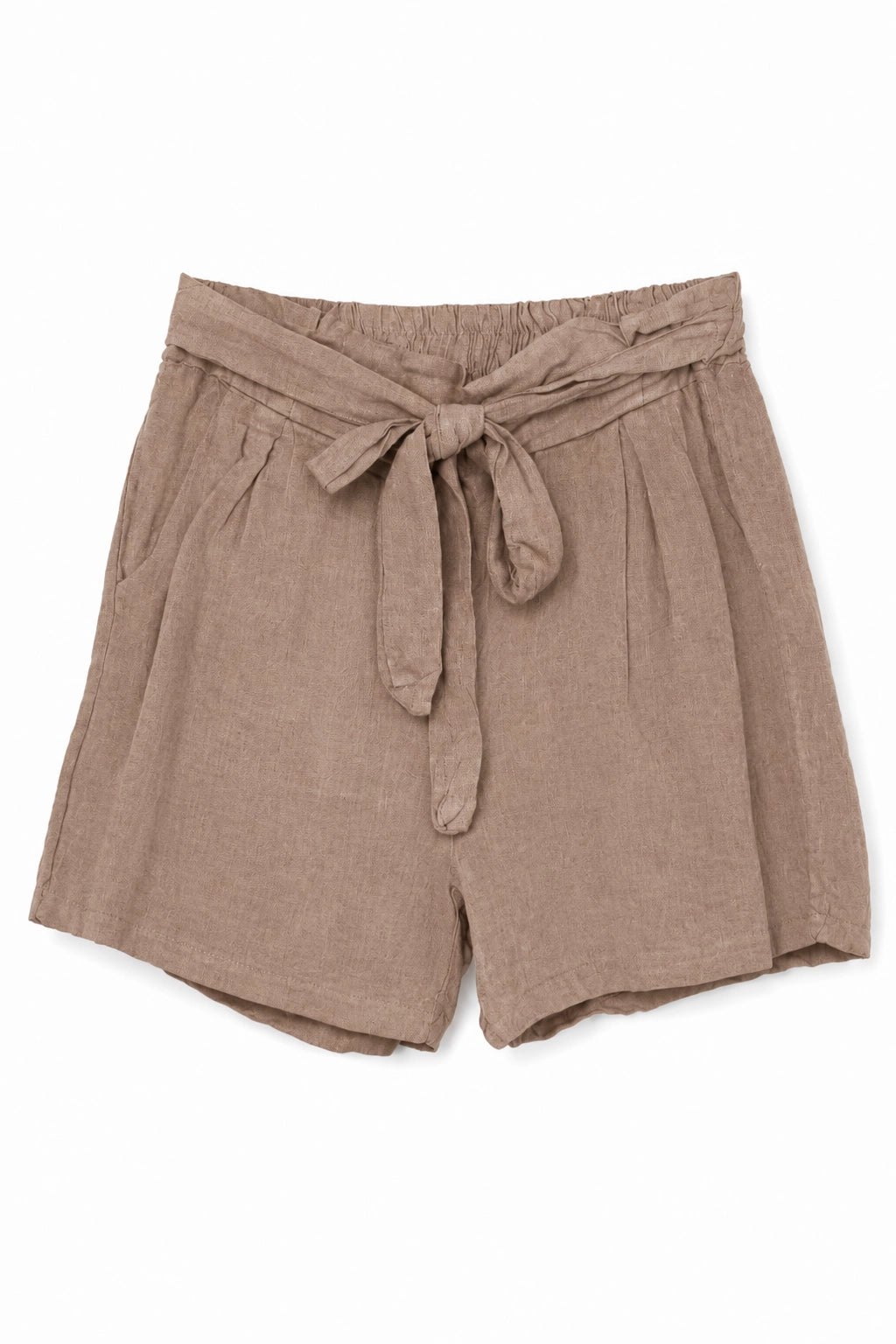
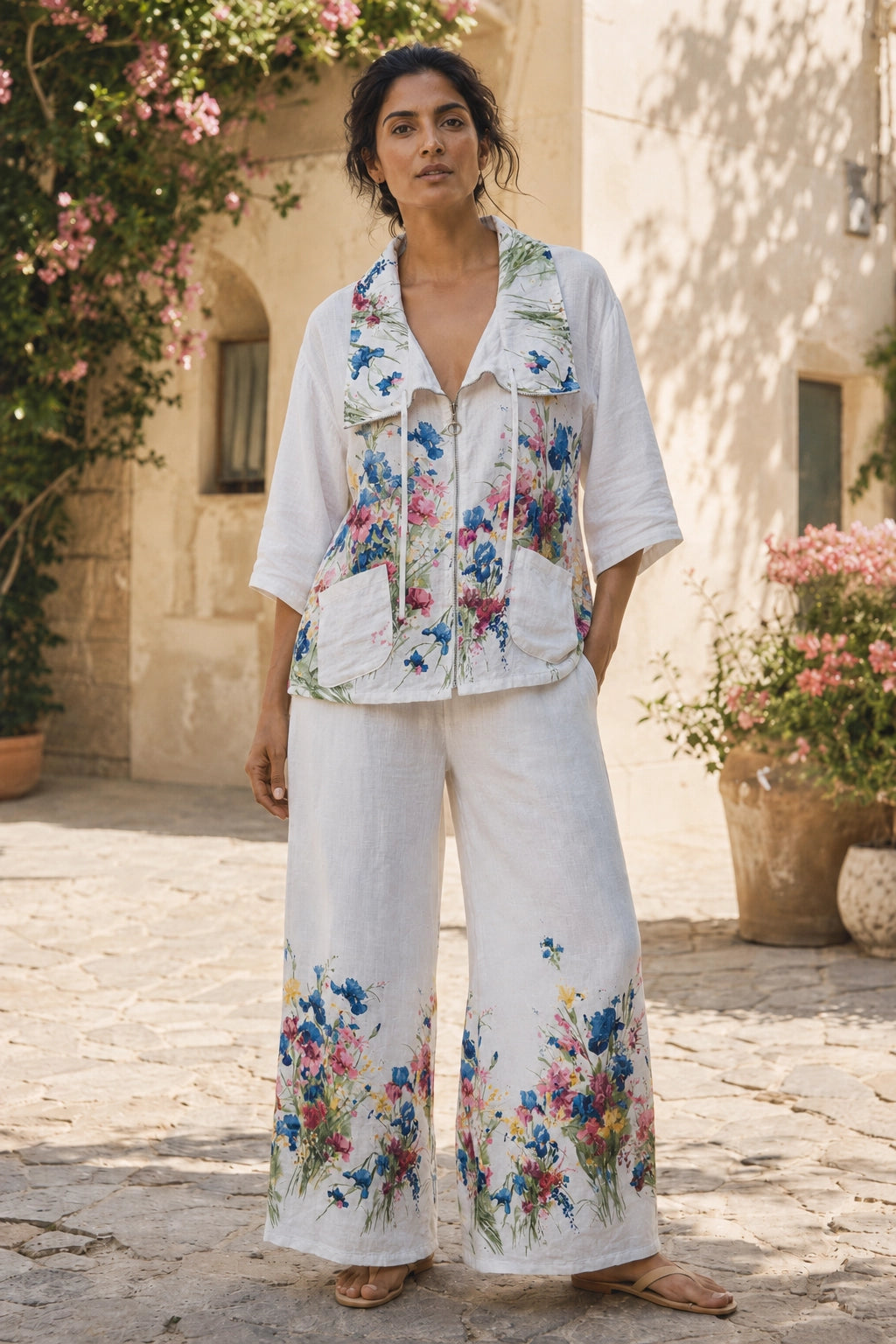
Linen clothing is what you reach for when the Cape Town southeaster is up, the mercury is climbing, and nothing synthetic will do. There is a specific kind of ease that only linen gives: fabric that breathes the moment you put it on, softens over years rather than wearing out, and looks better for the creases, not worse. Our buyers curate the Something Pretty linen edit from our Constantia Village, Cavendish and Sea Point stores, choosing the waistcoats, shirts, pants and frill tops that carry a woman from a hot school run through a Franschhoek lunch and into an evening on the stoep. Limited runs, considered colours, real linen fibre. Every piece softens with wear.
Linen Dress | Tops | Bottoms

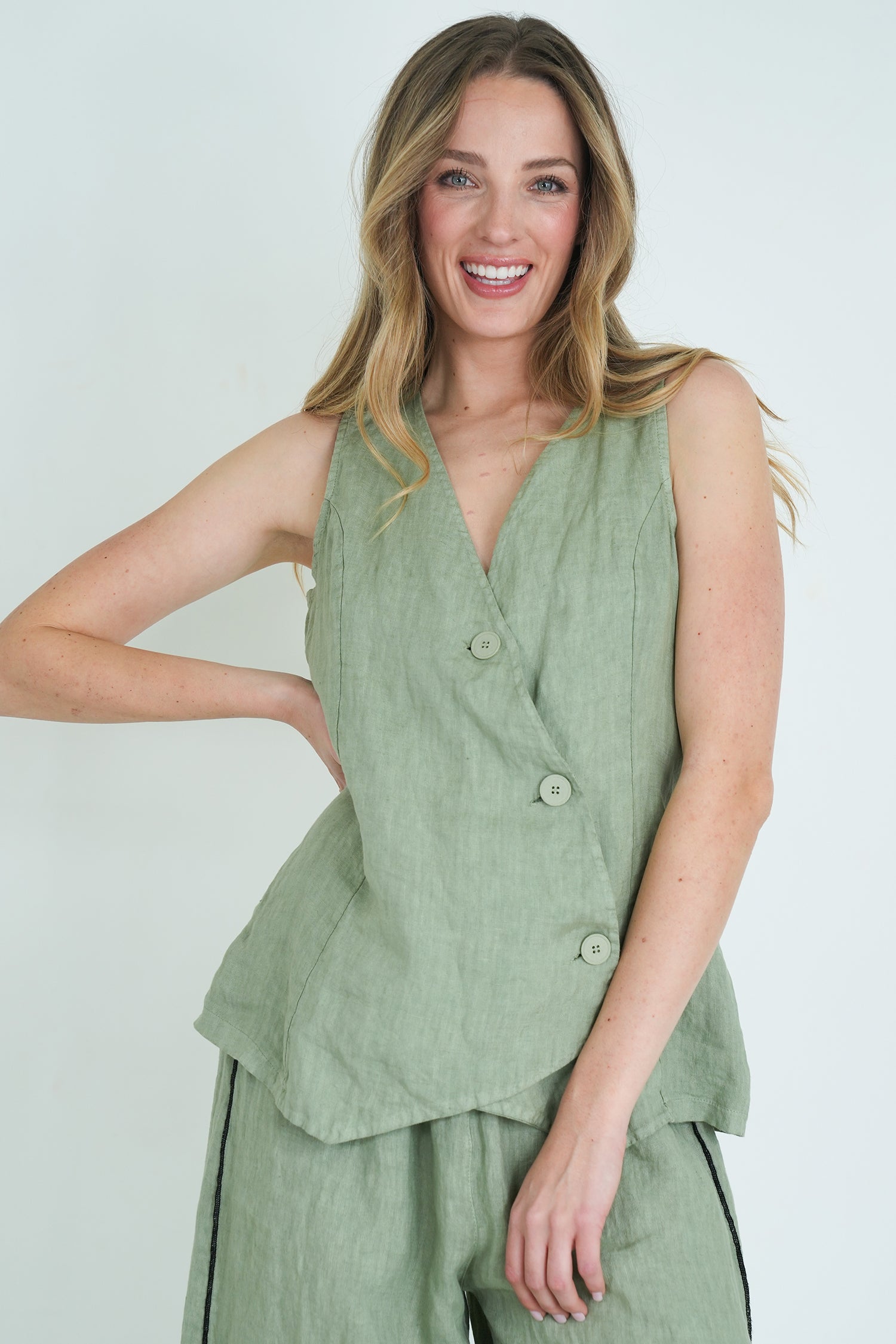

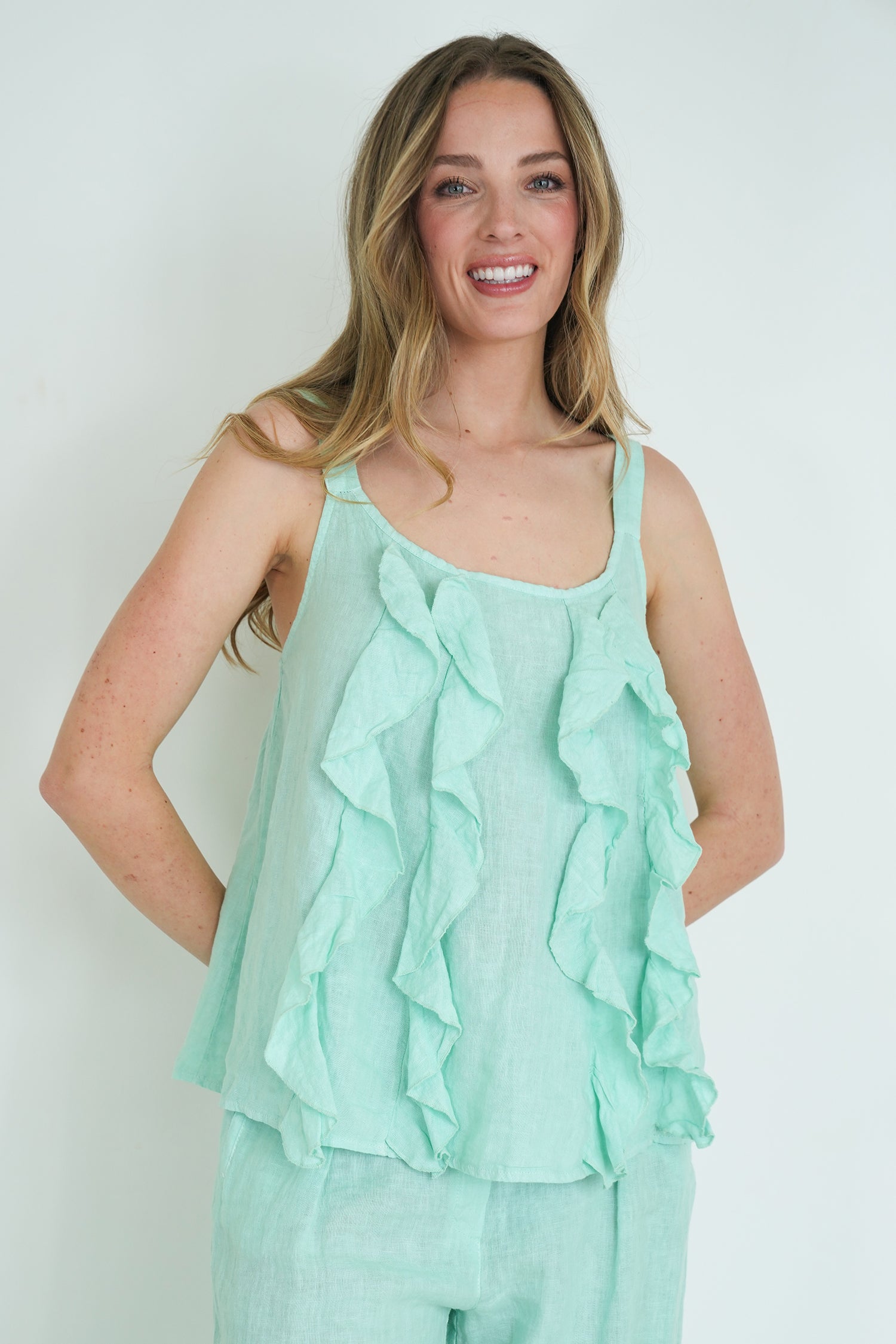

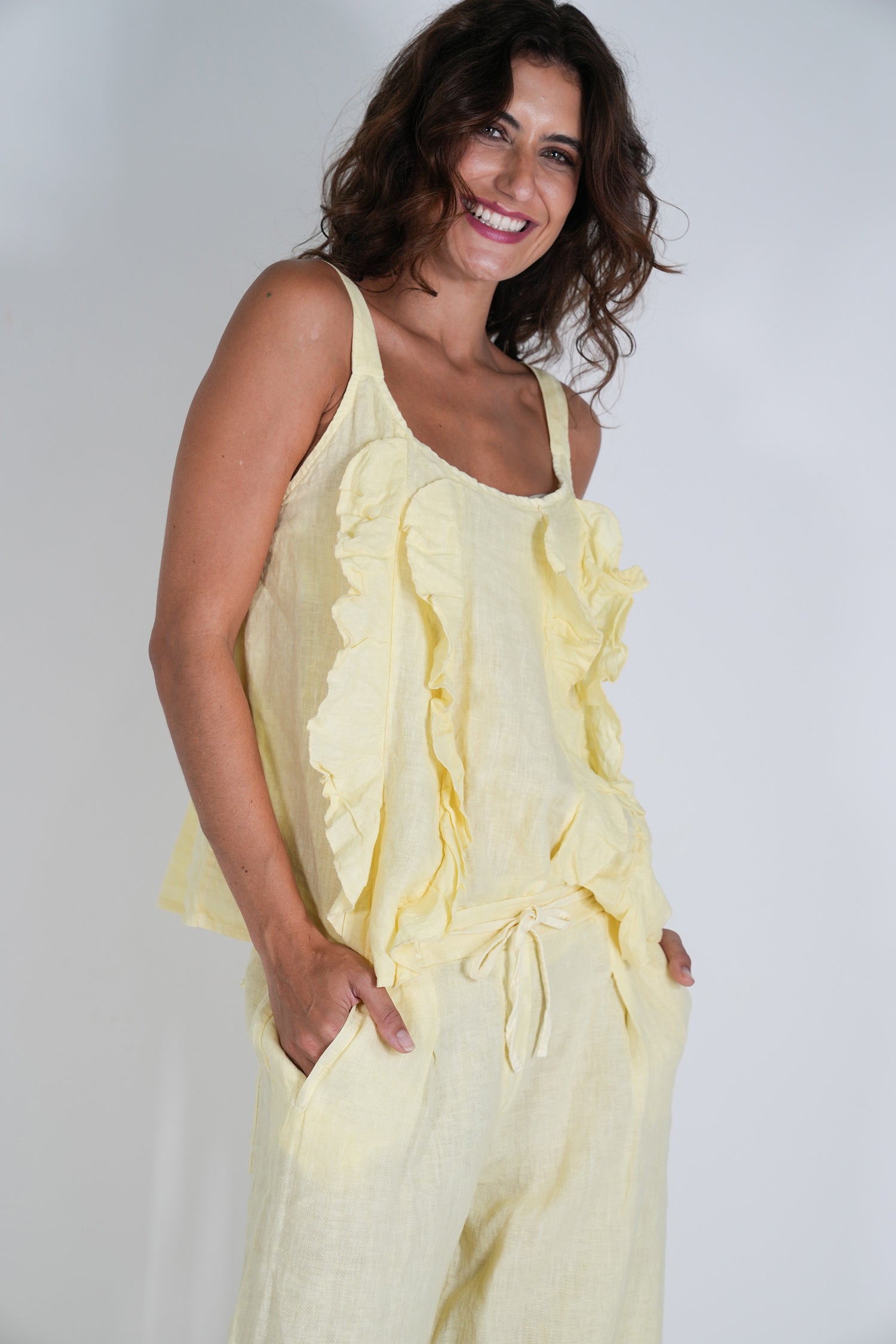
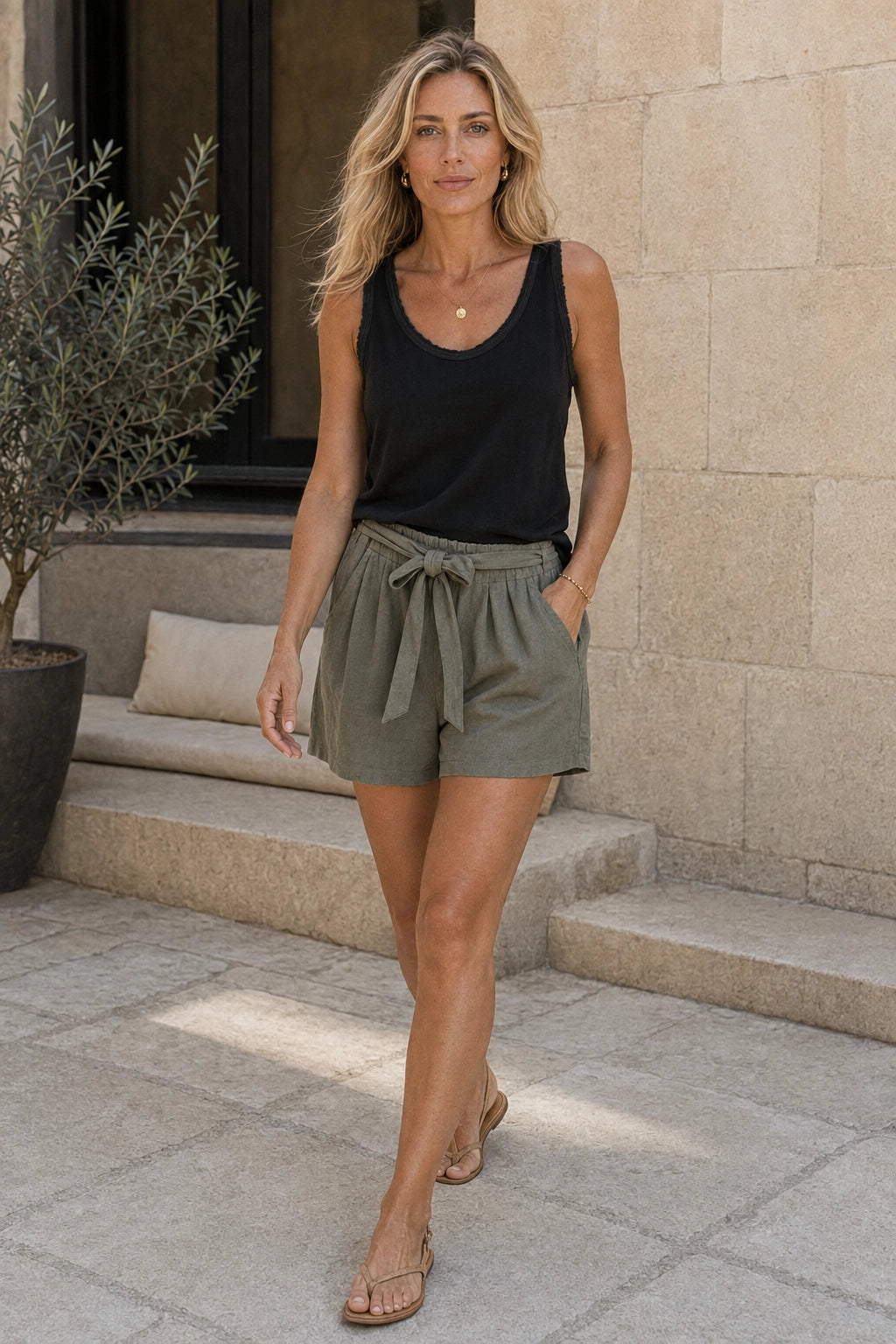
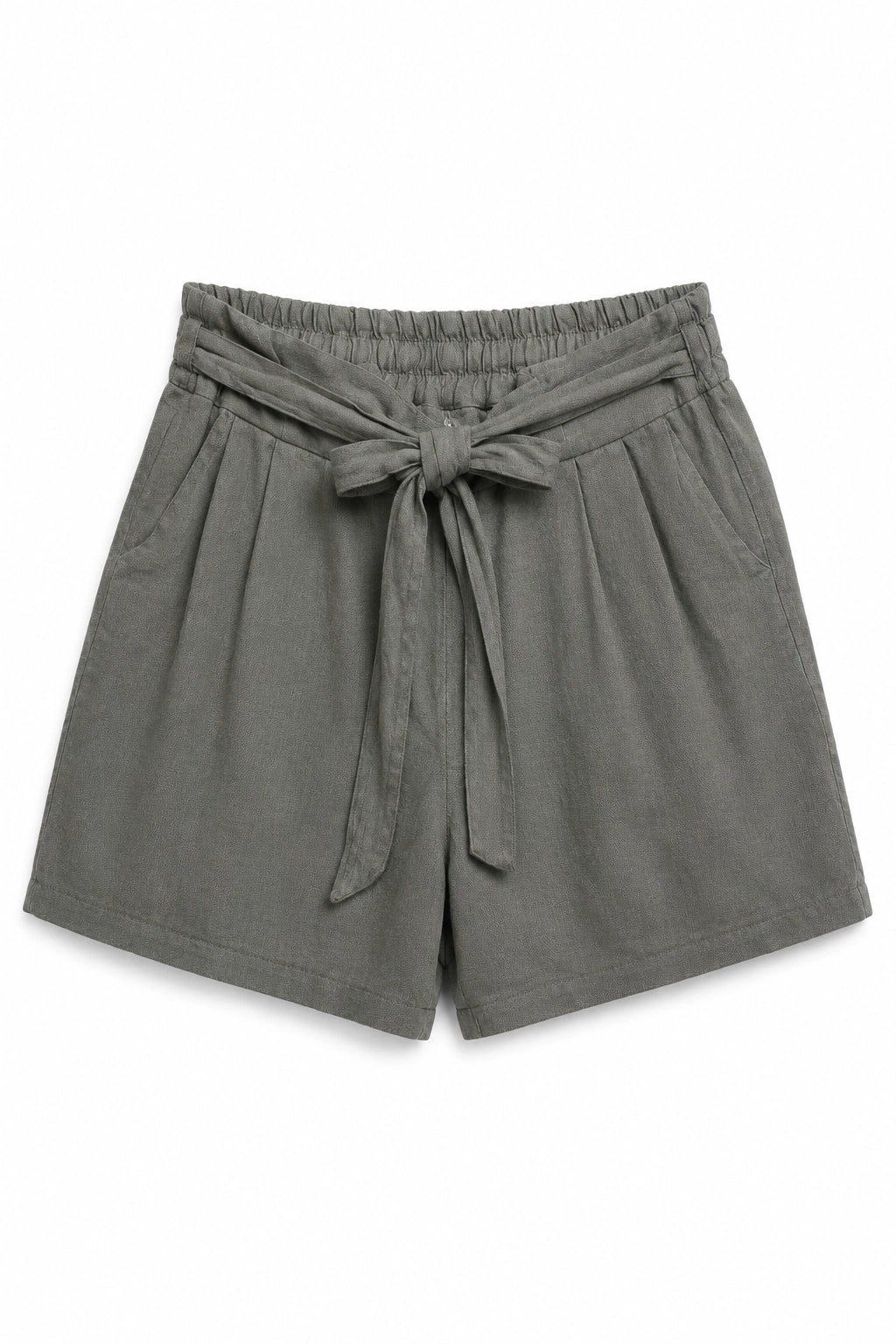
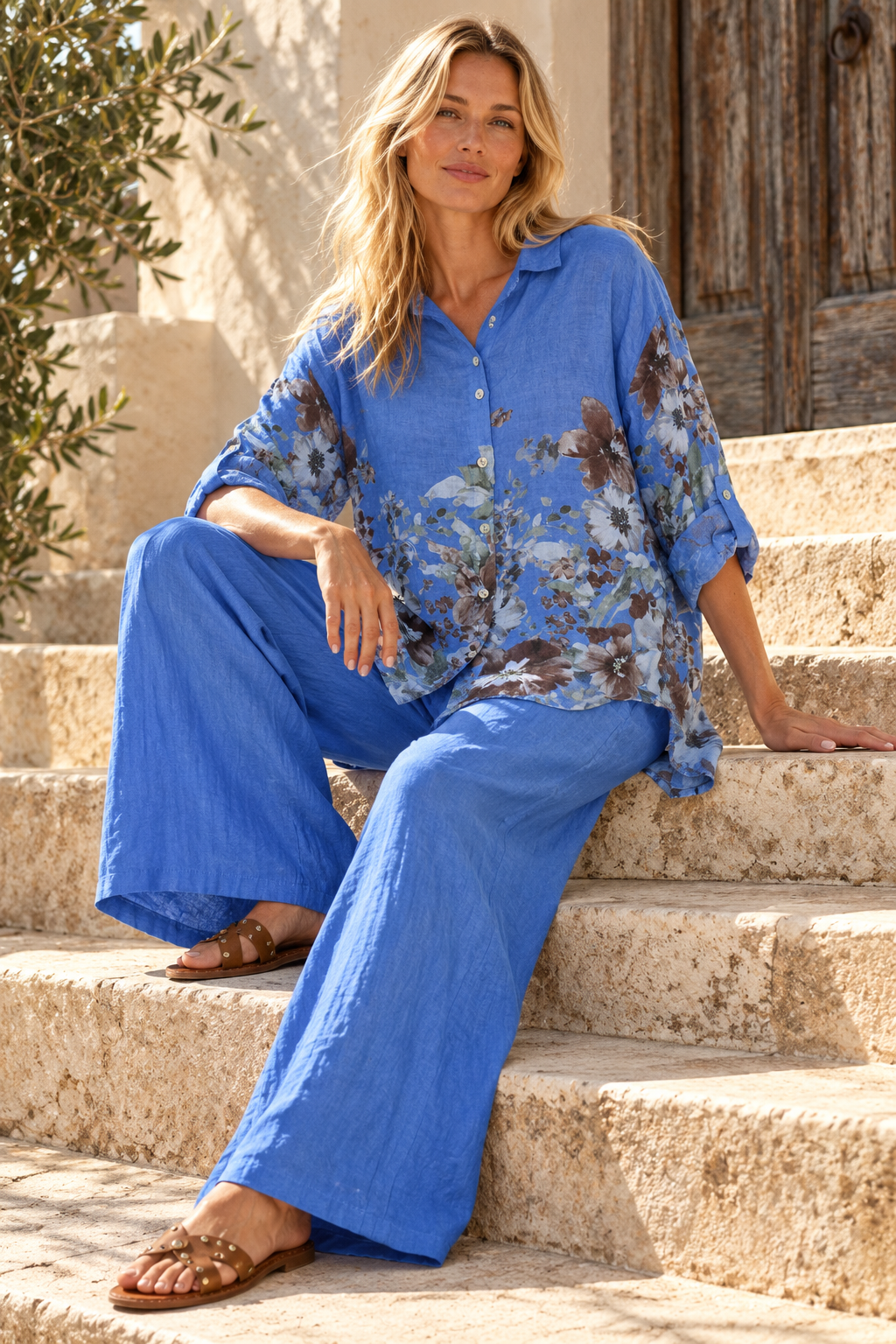
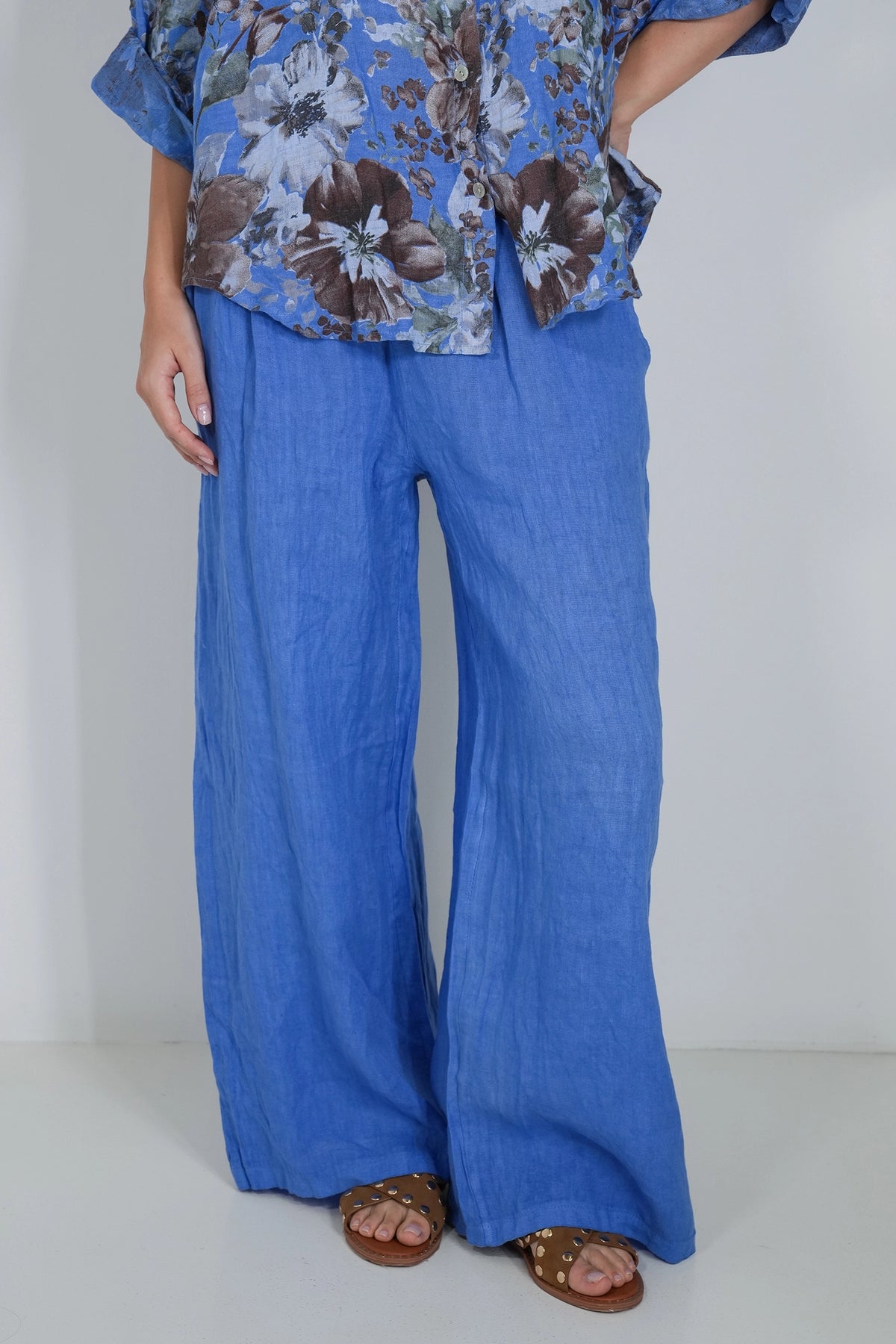
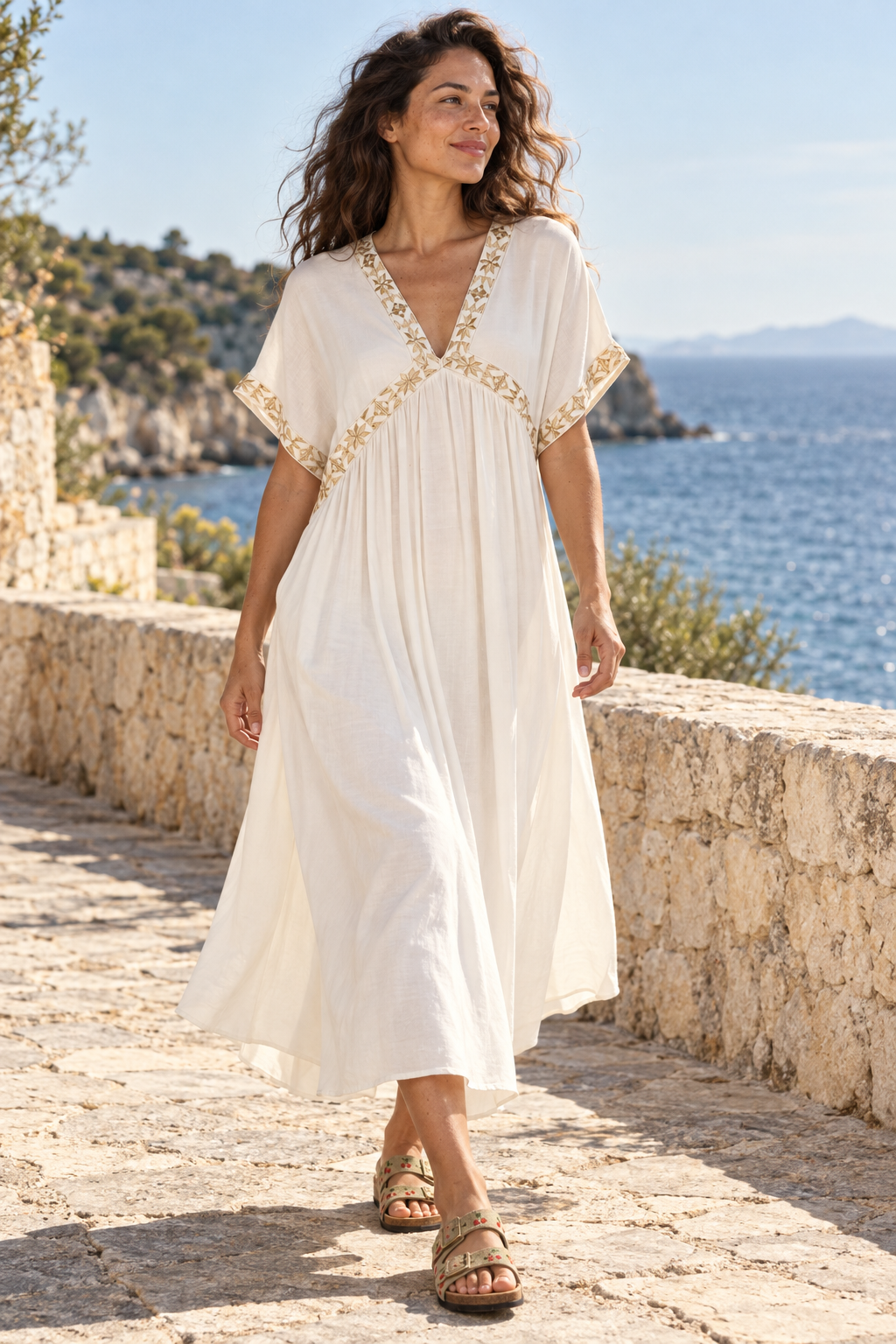
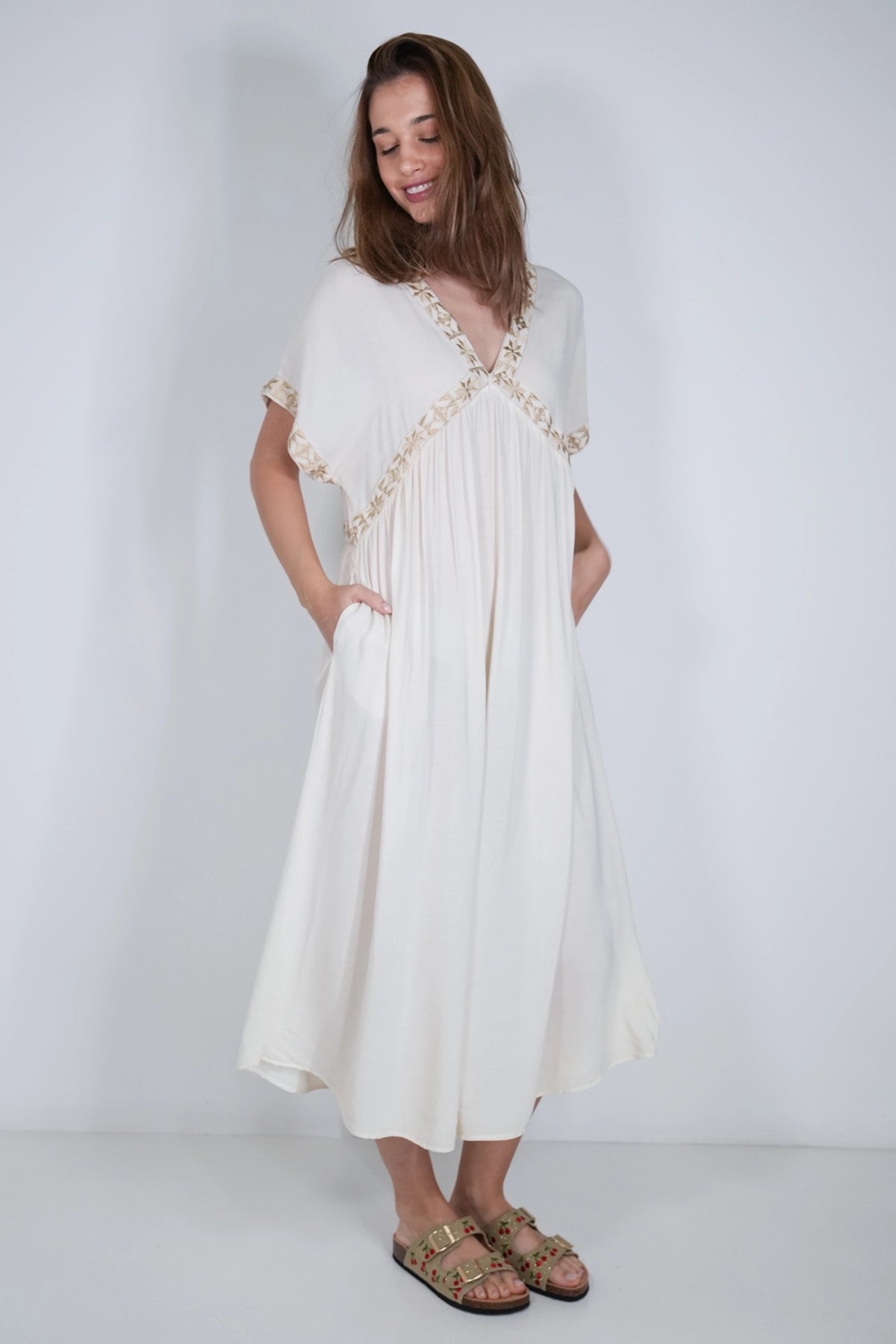
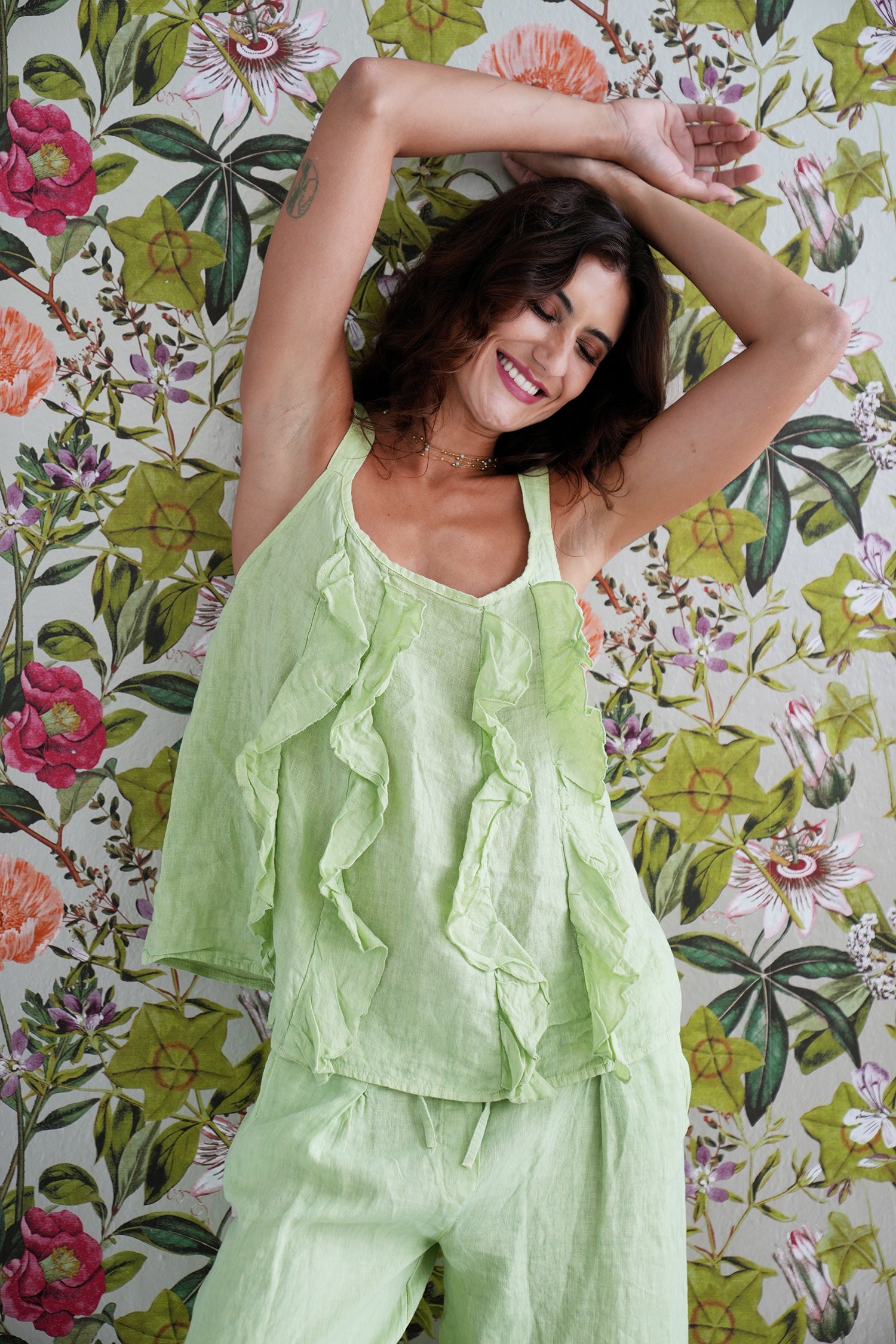
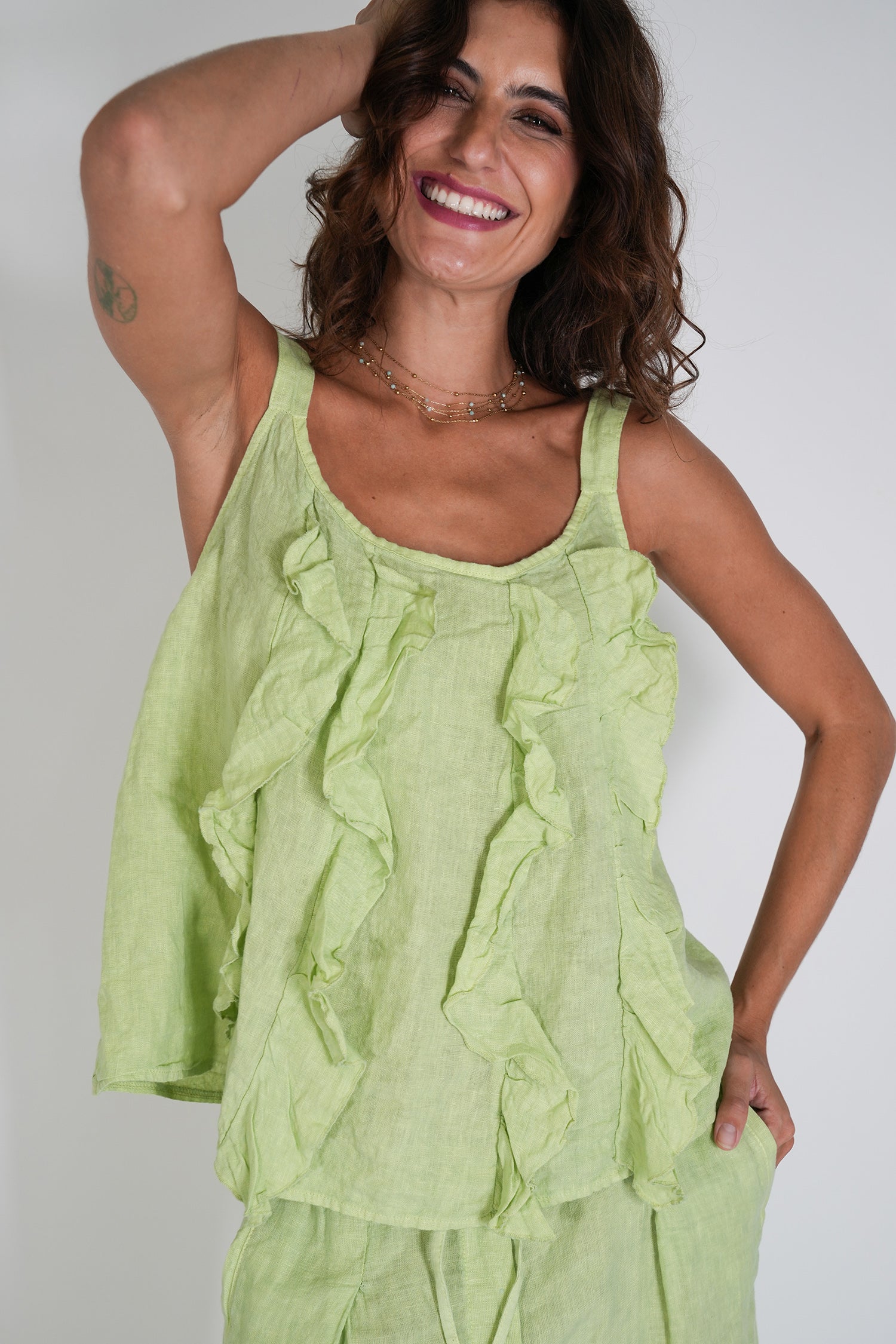
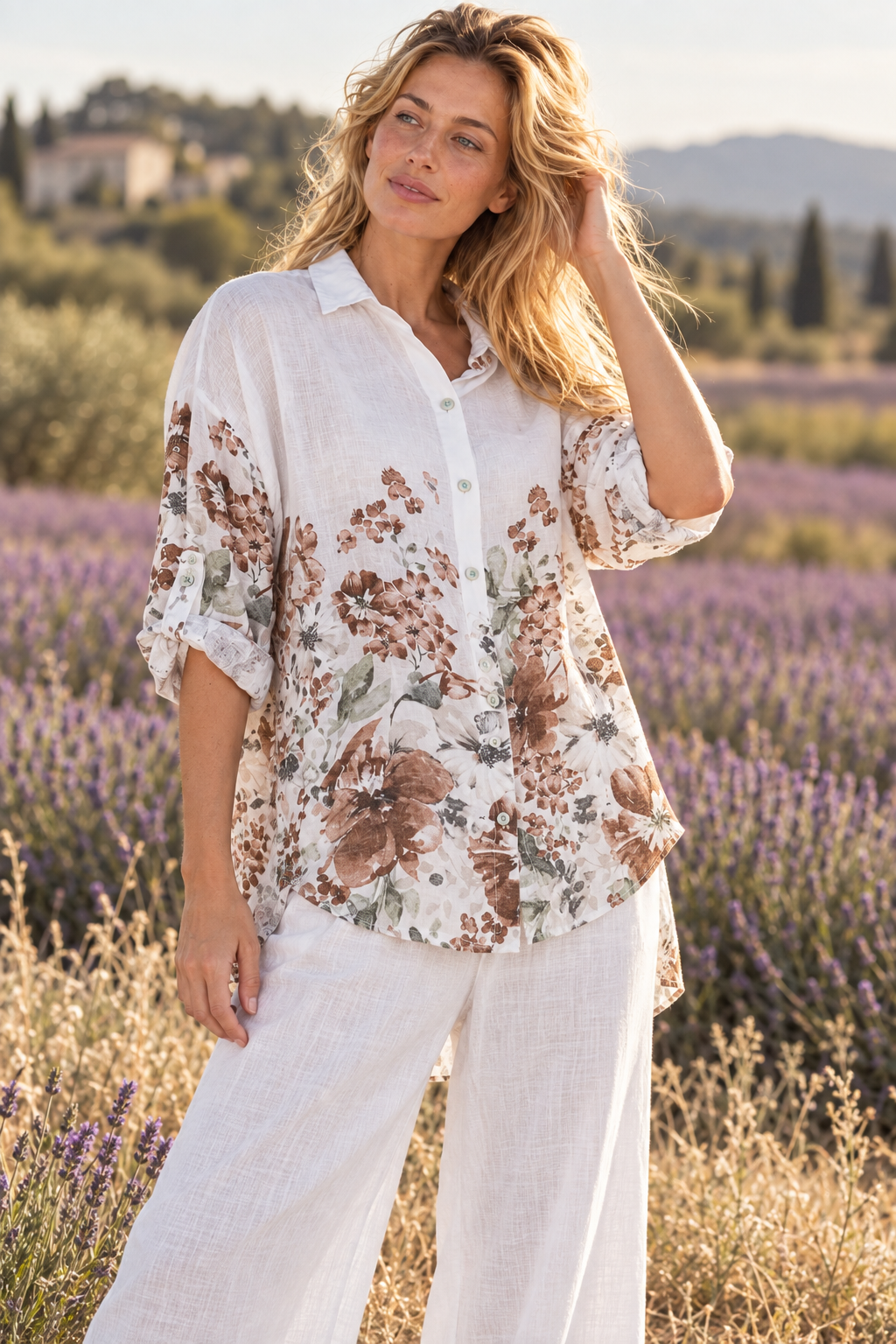
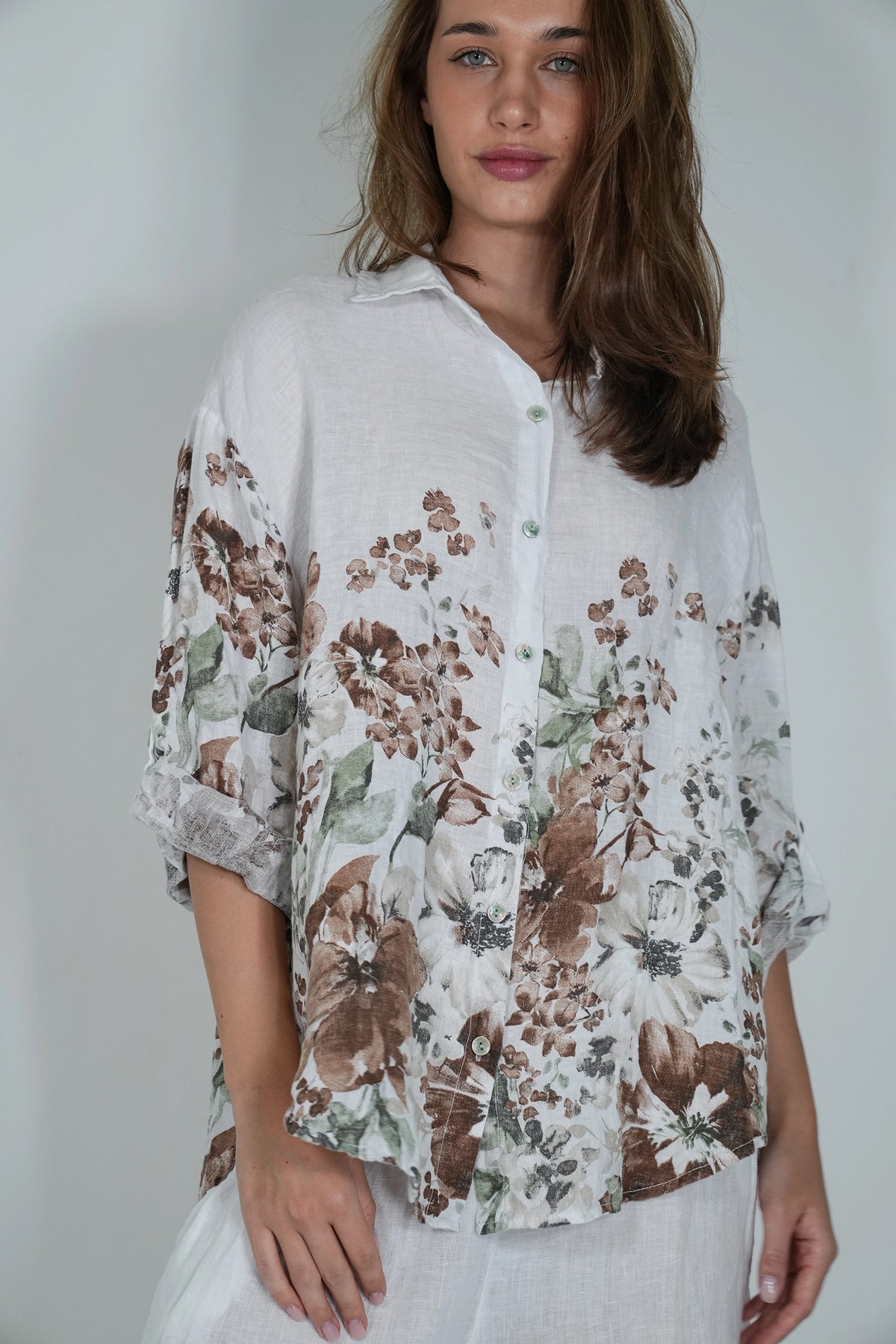
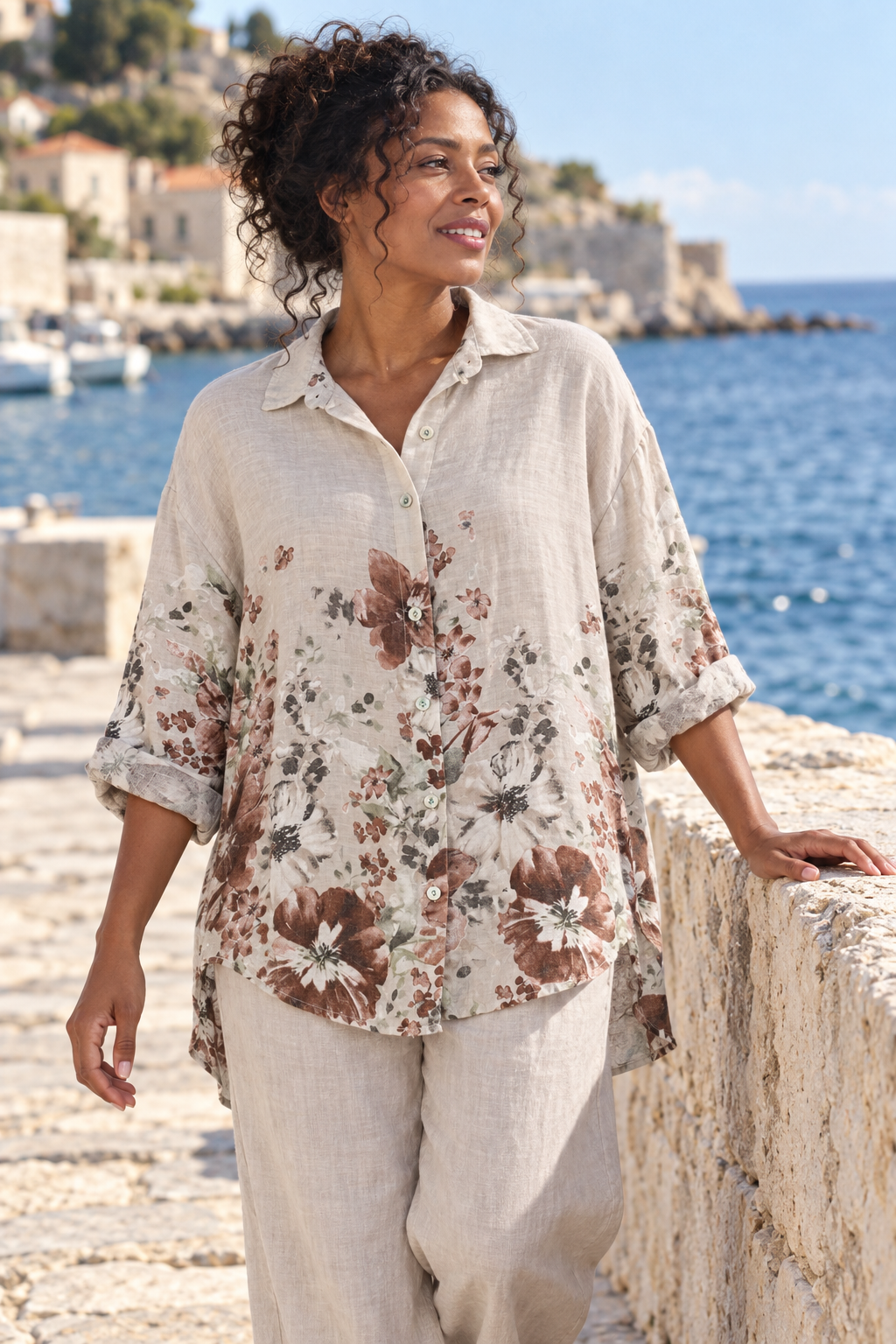
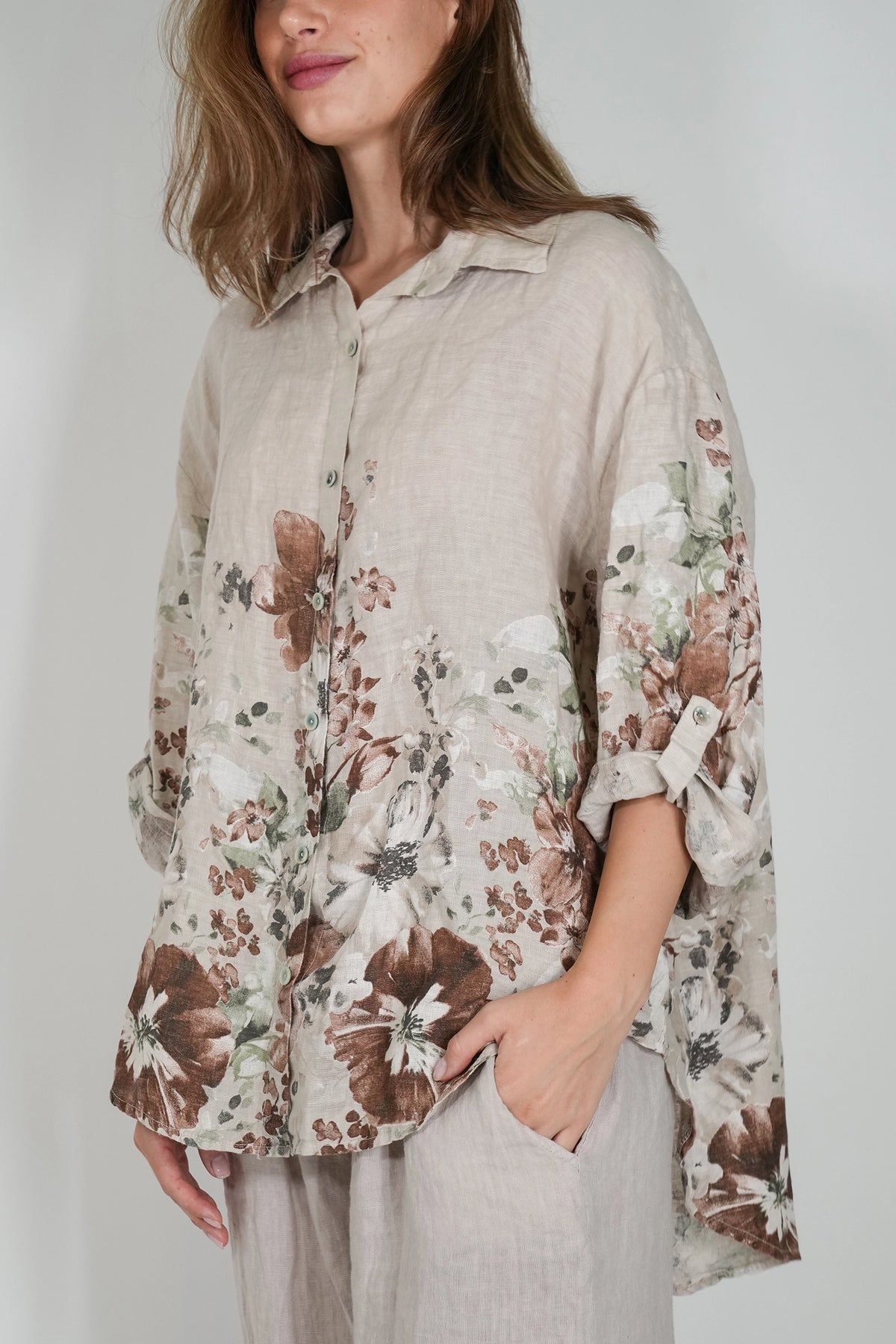
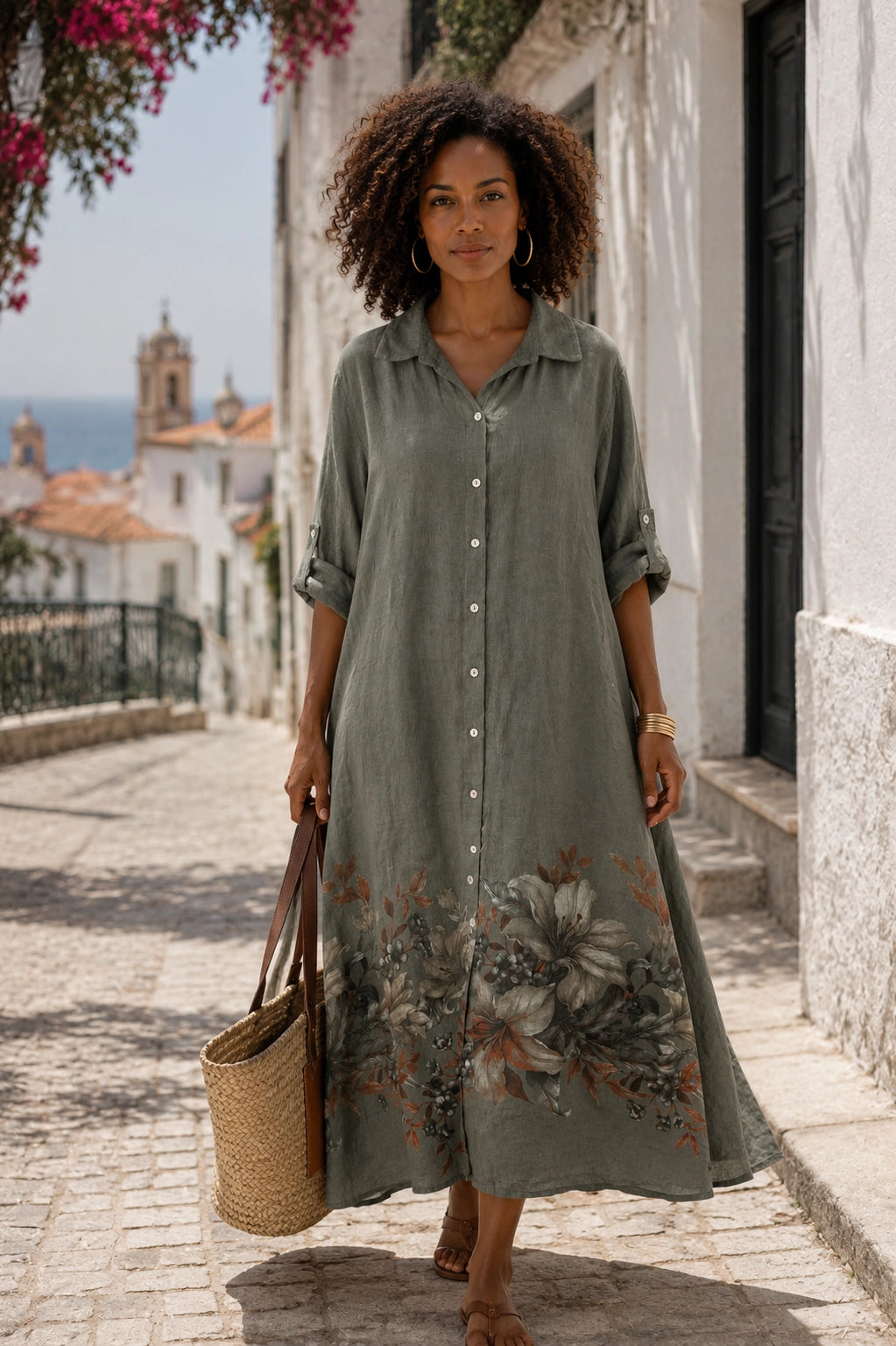
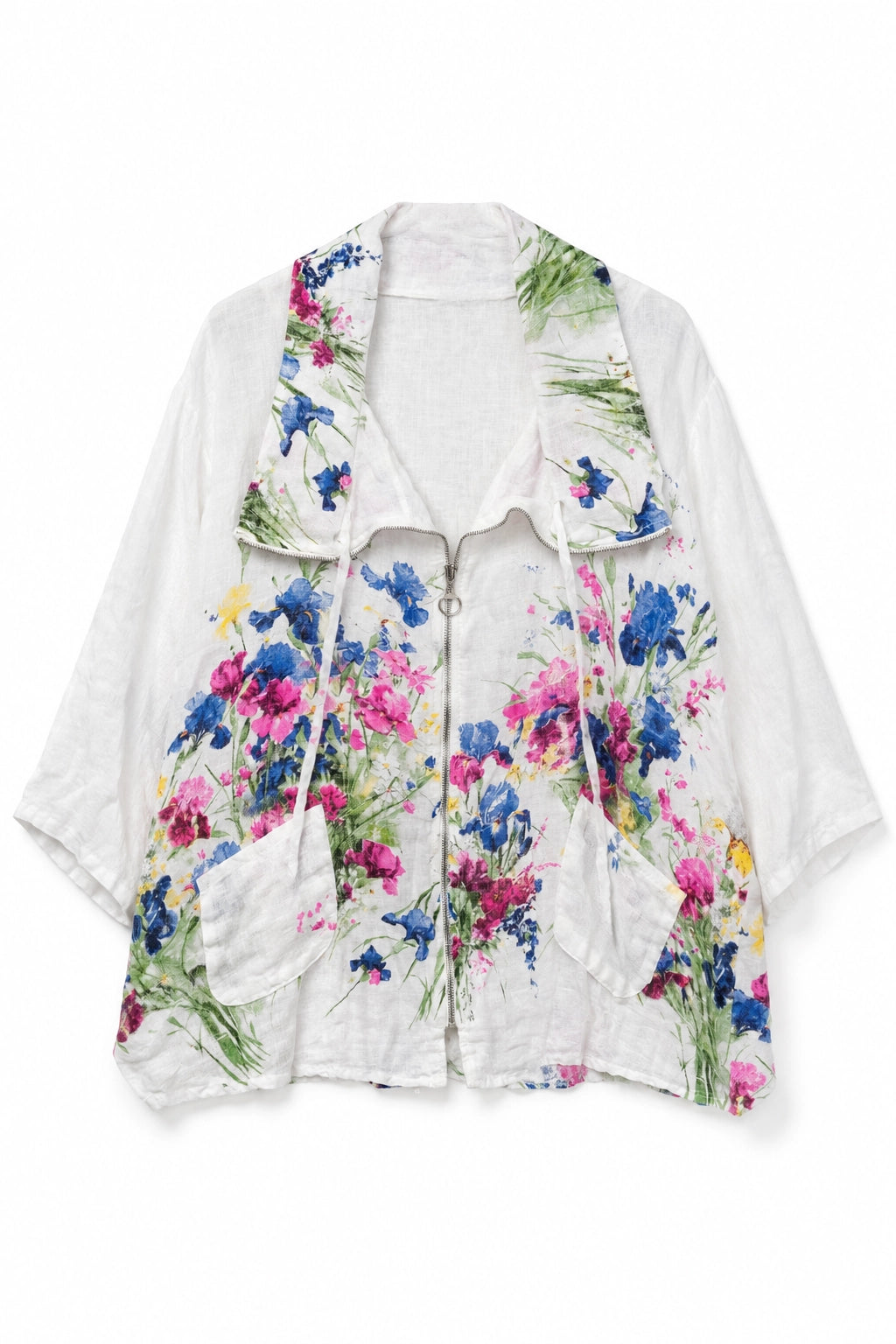
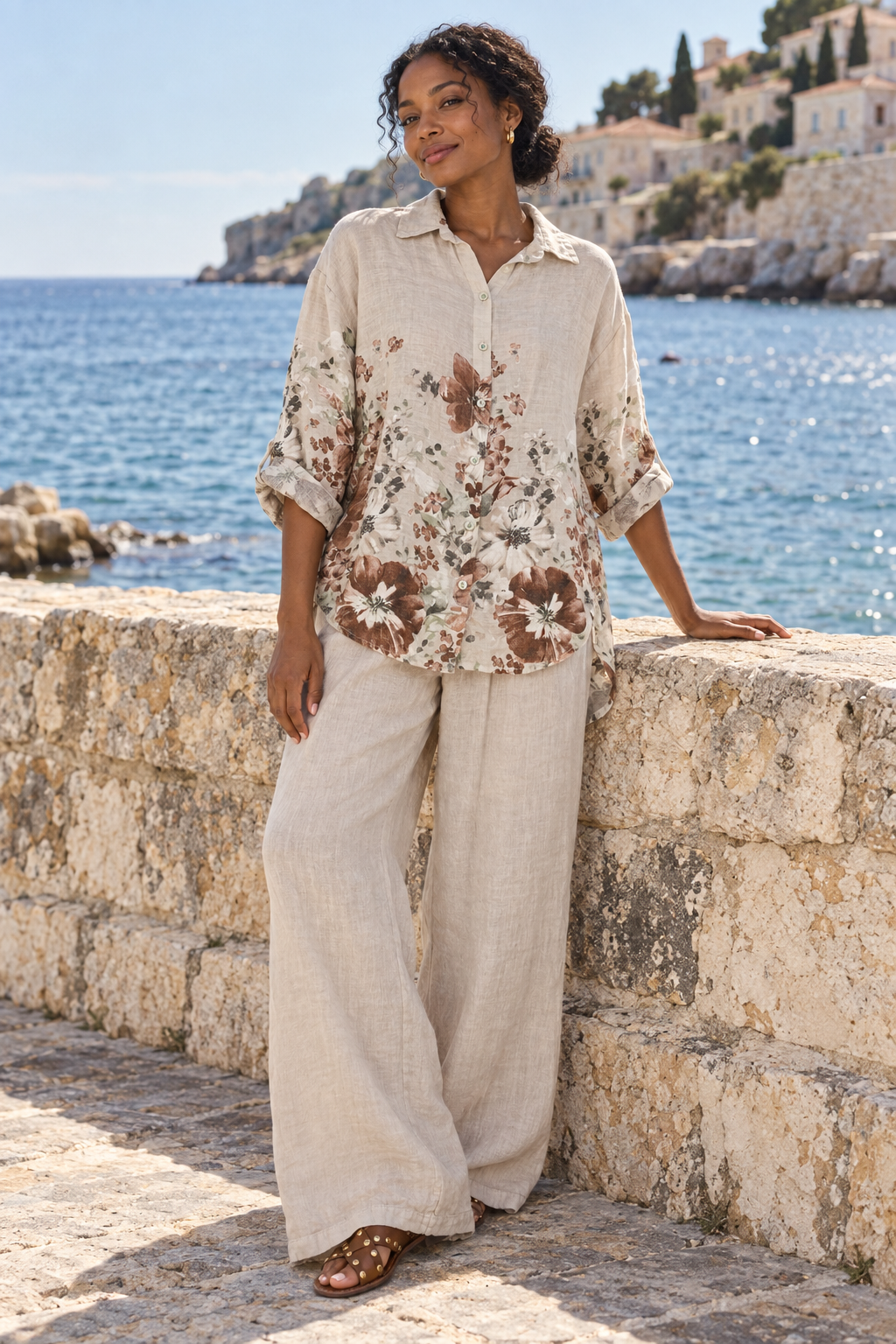
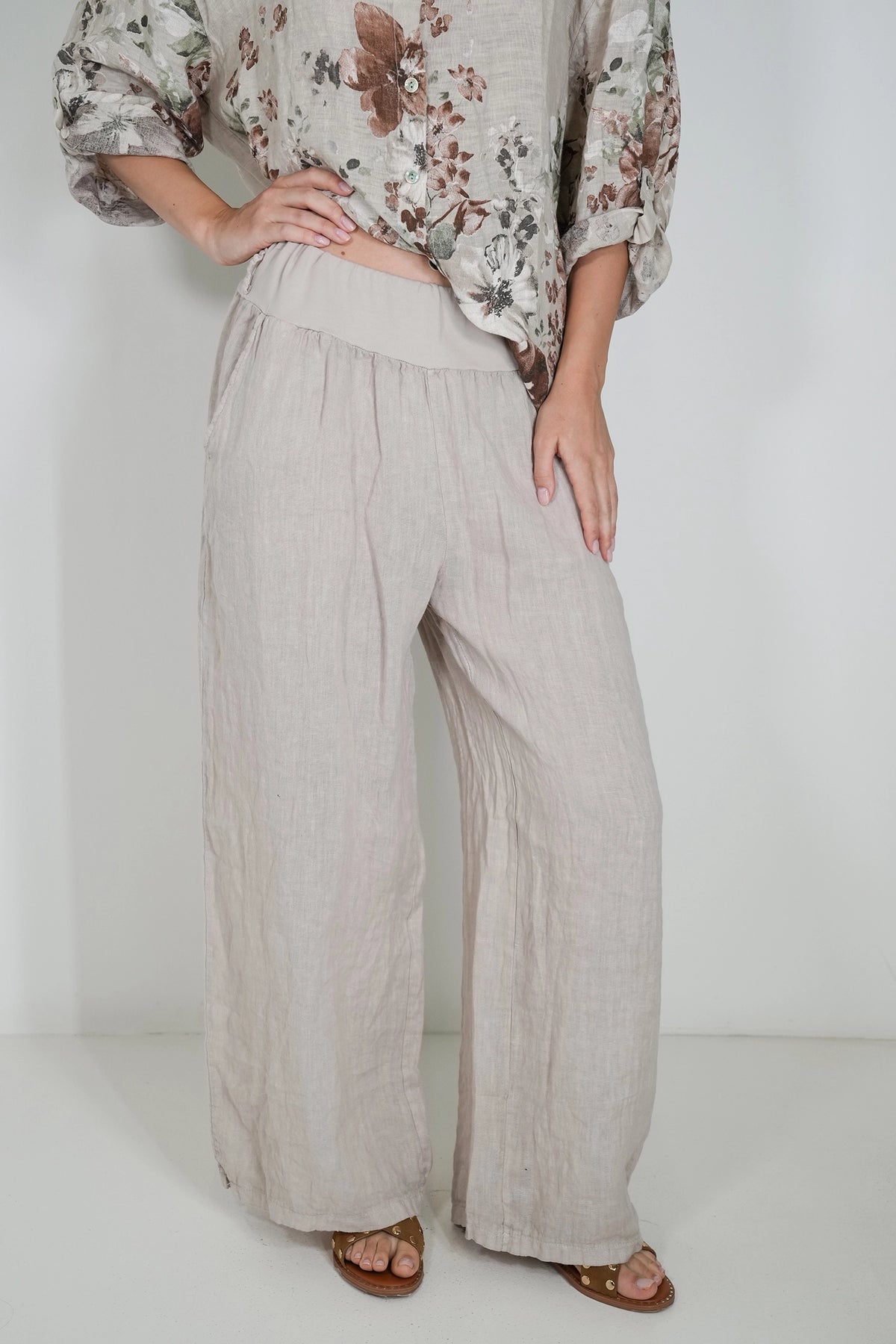
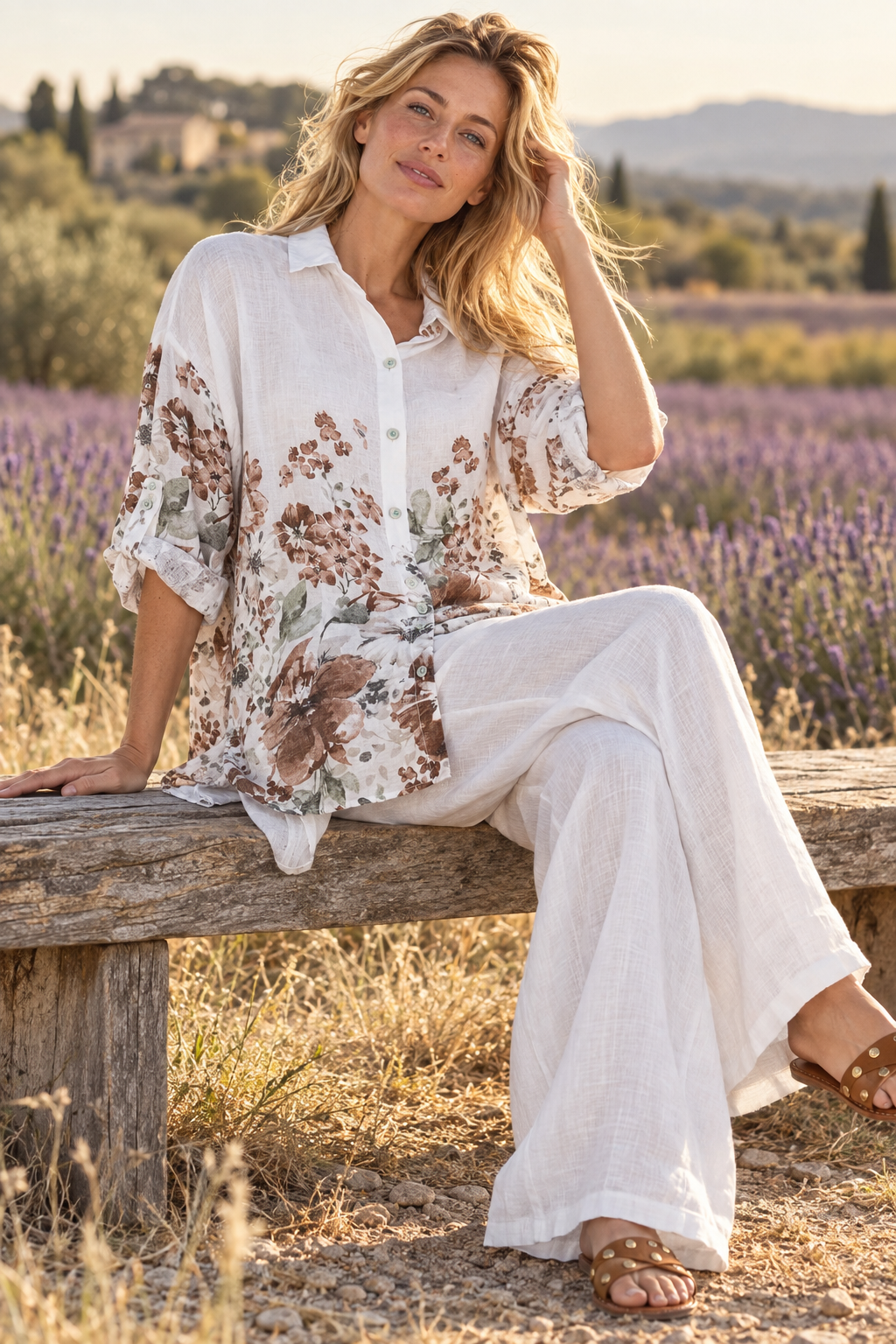
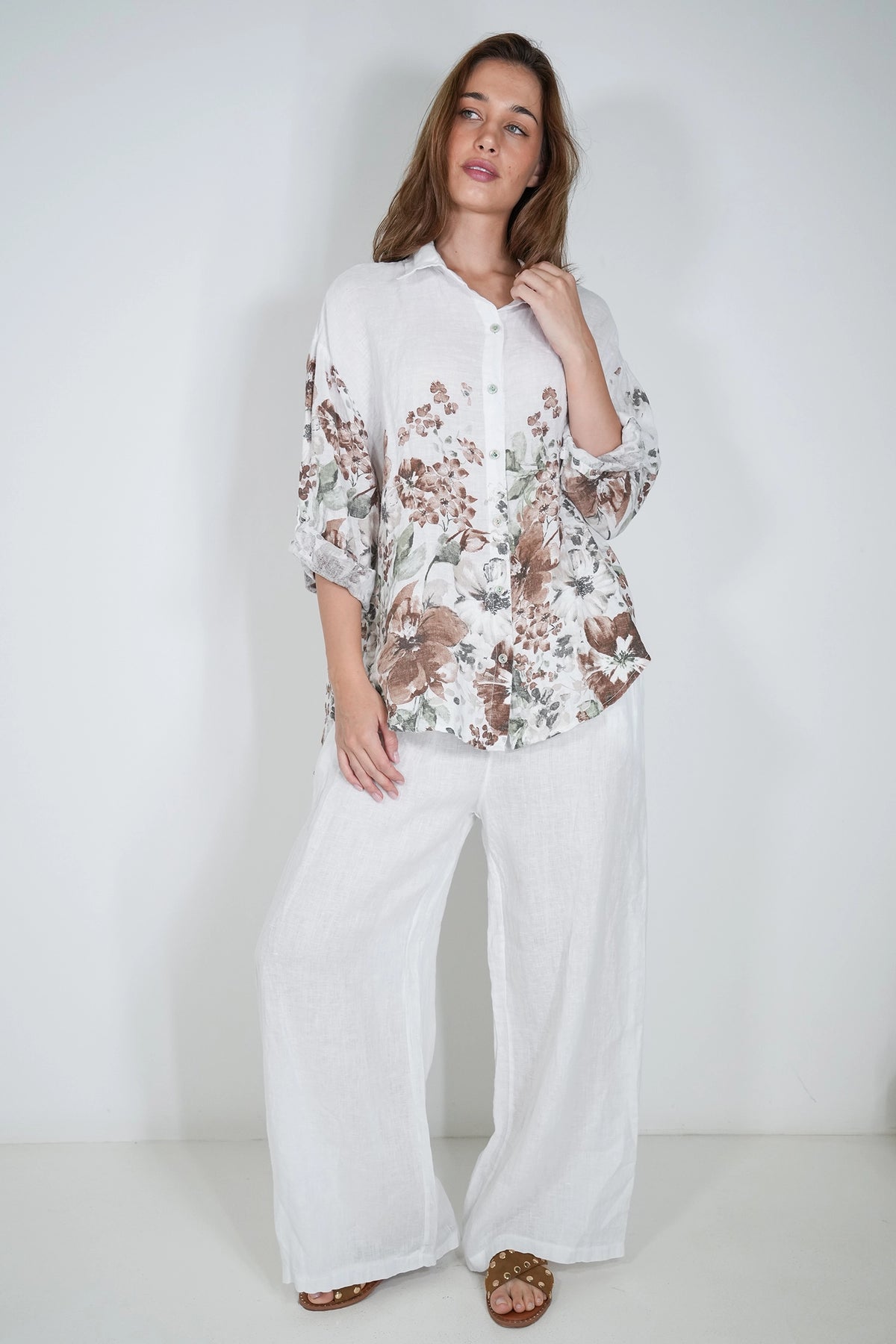
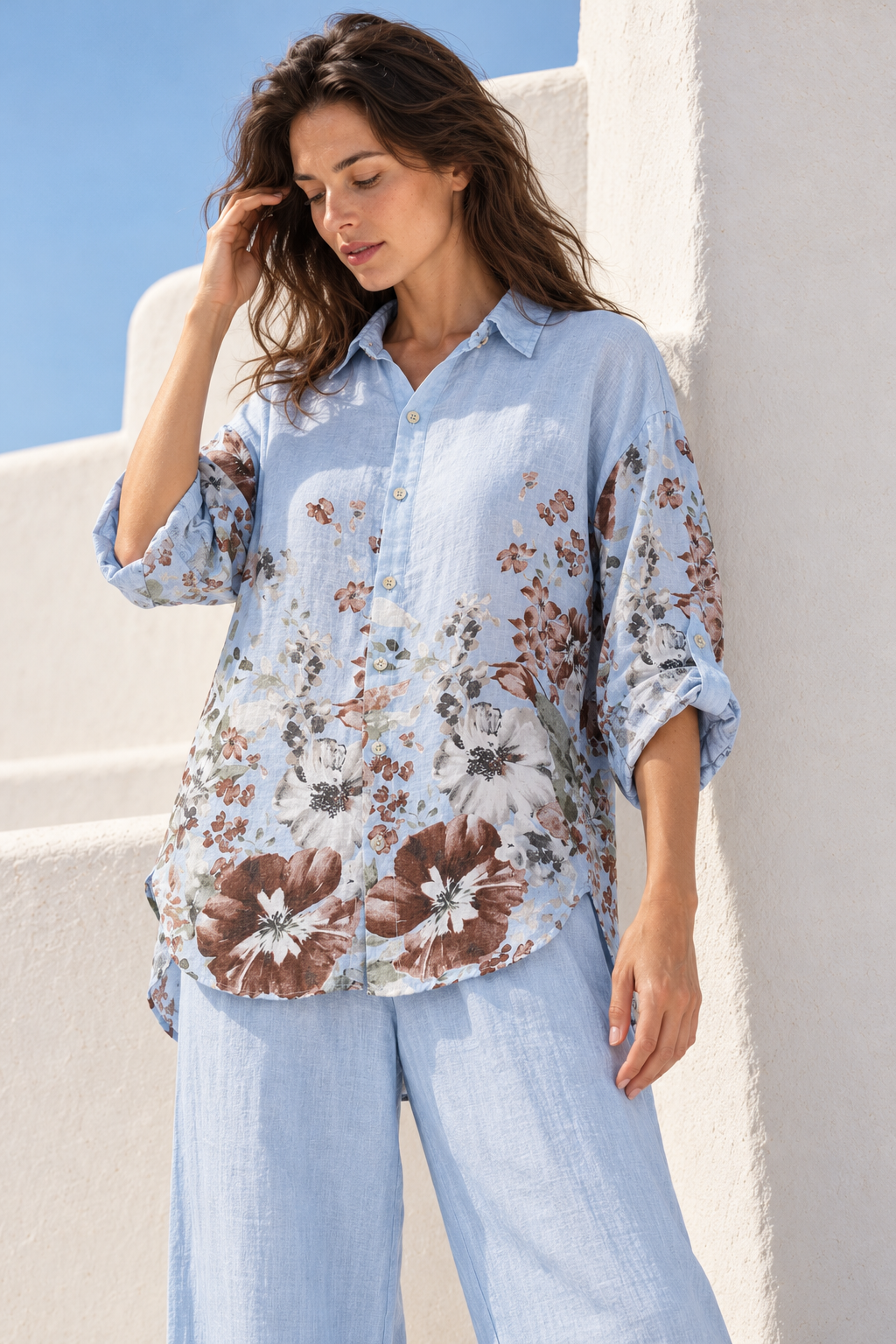
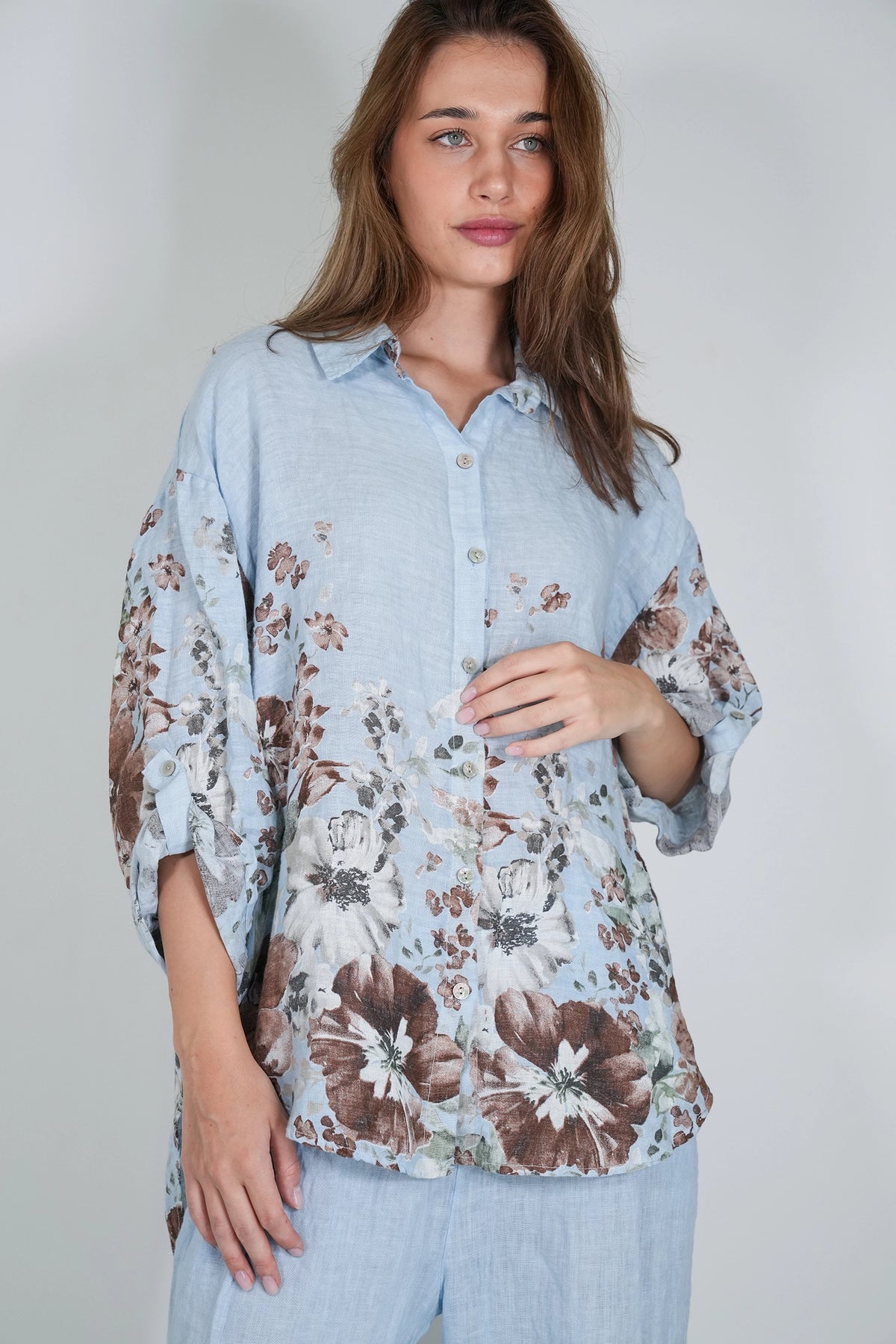
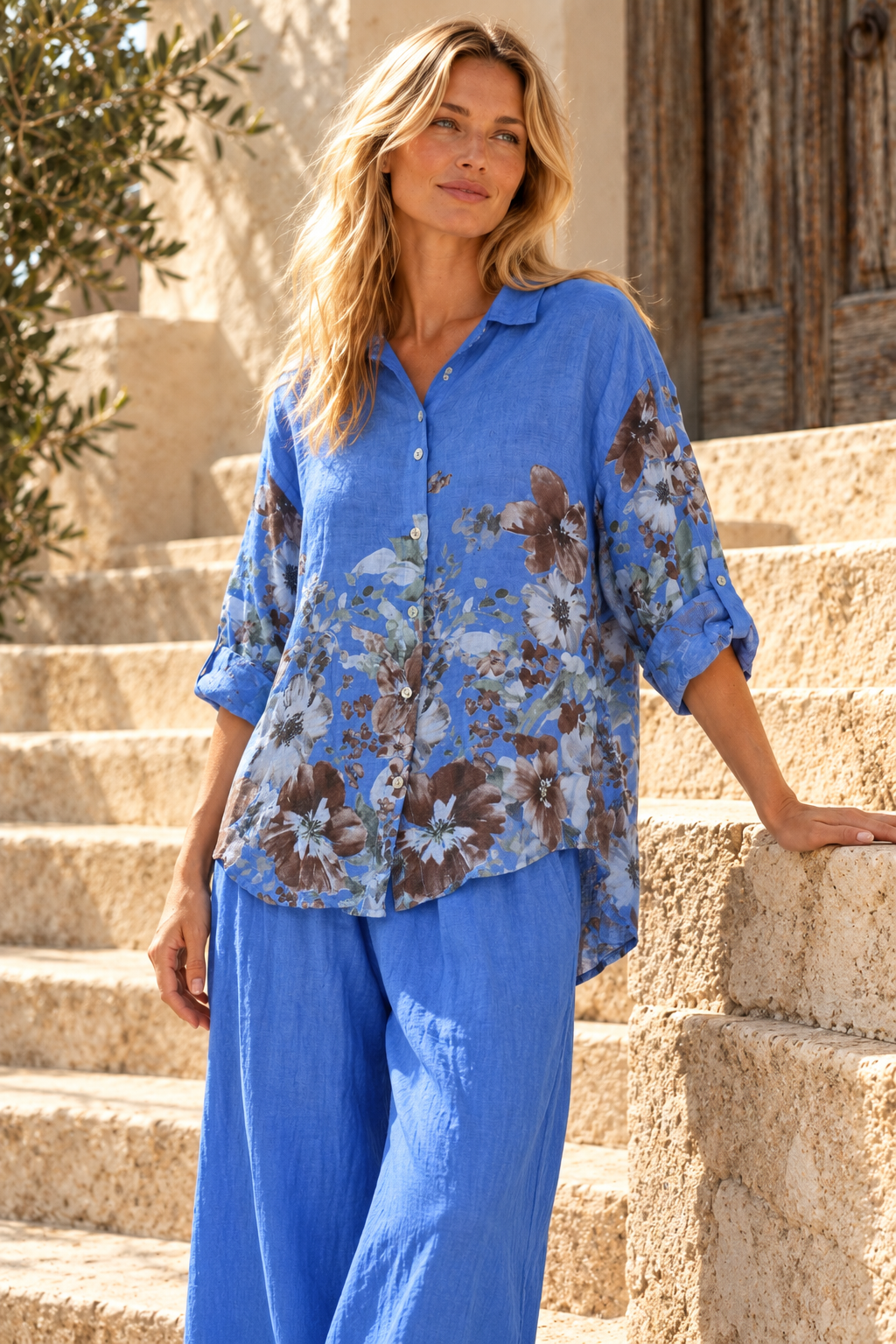
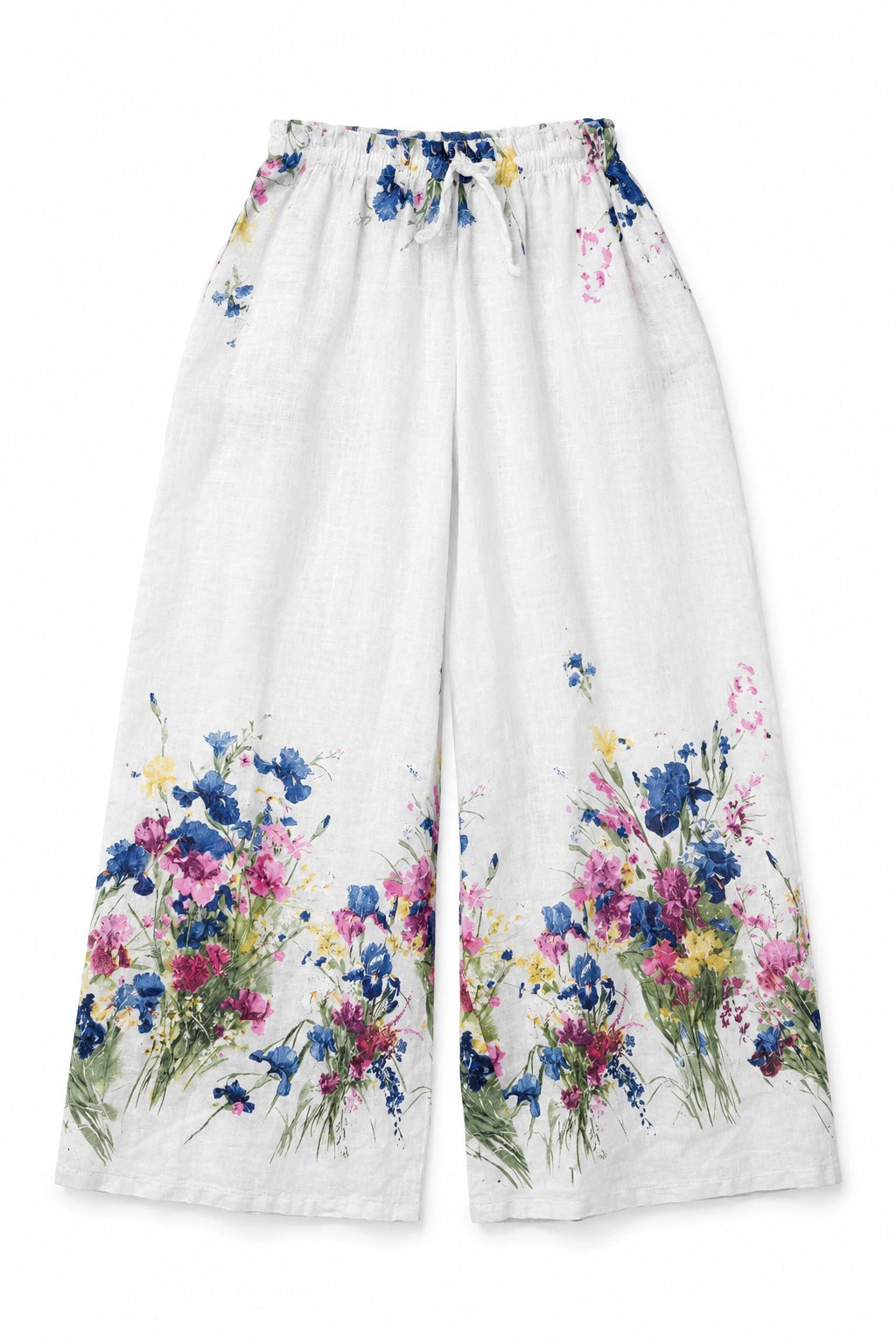

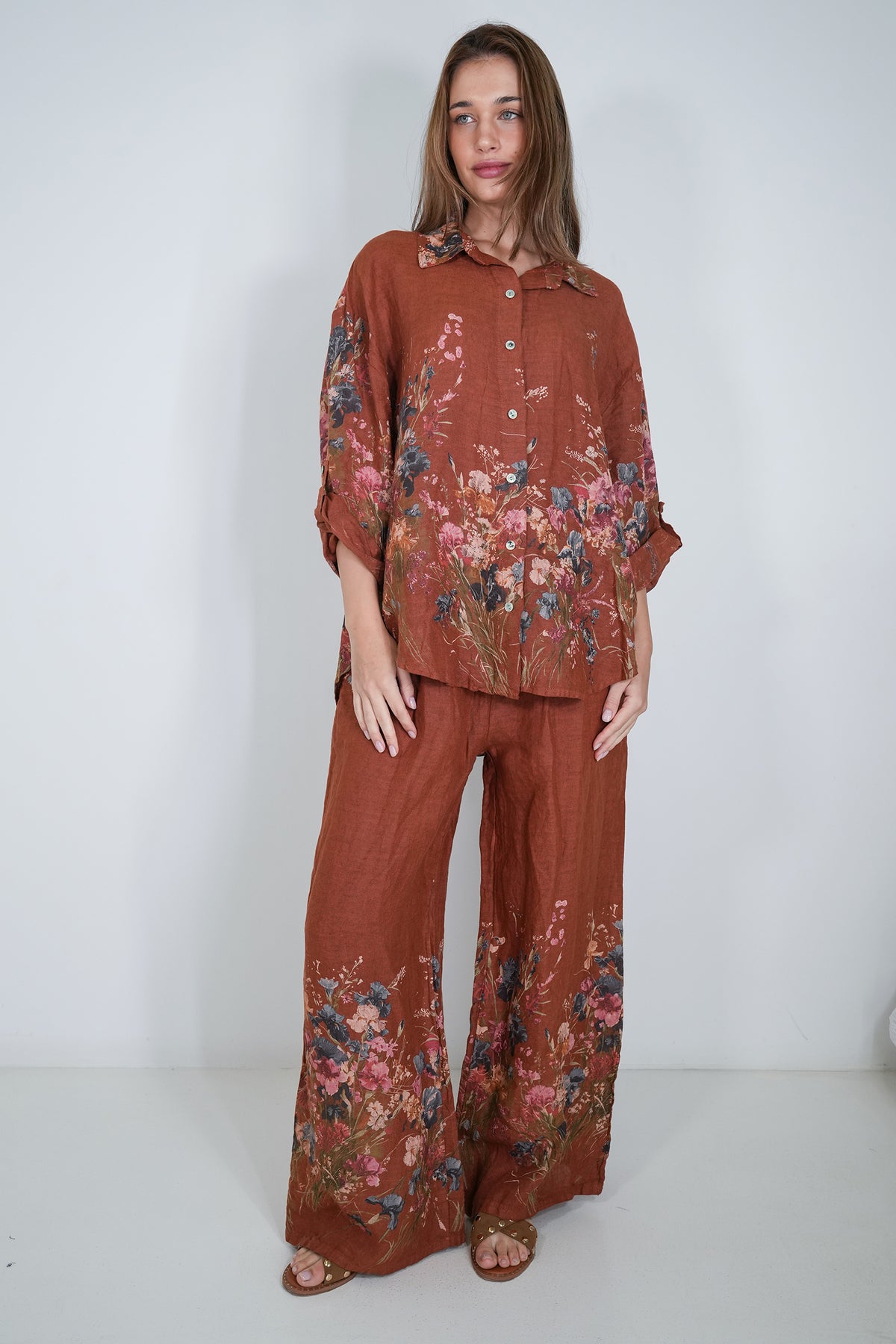

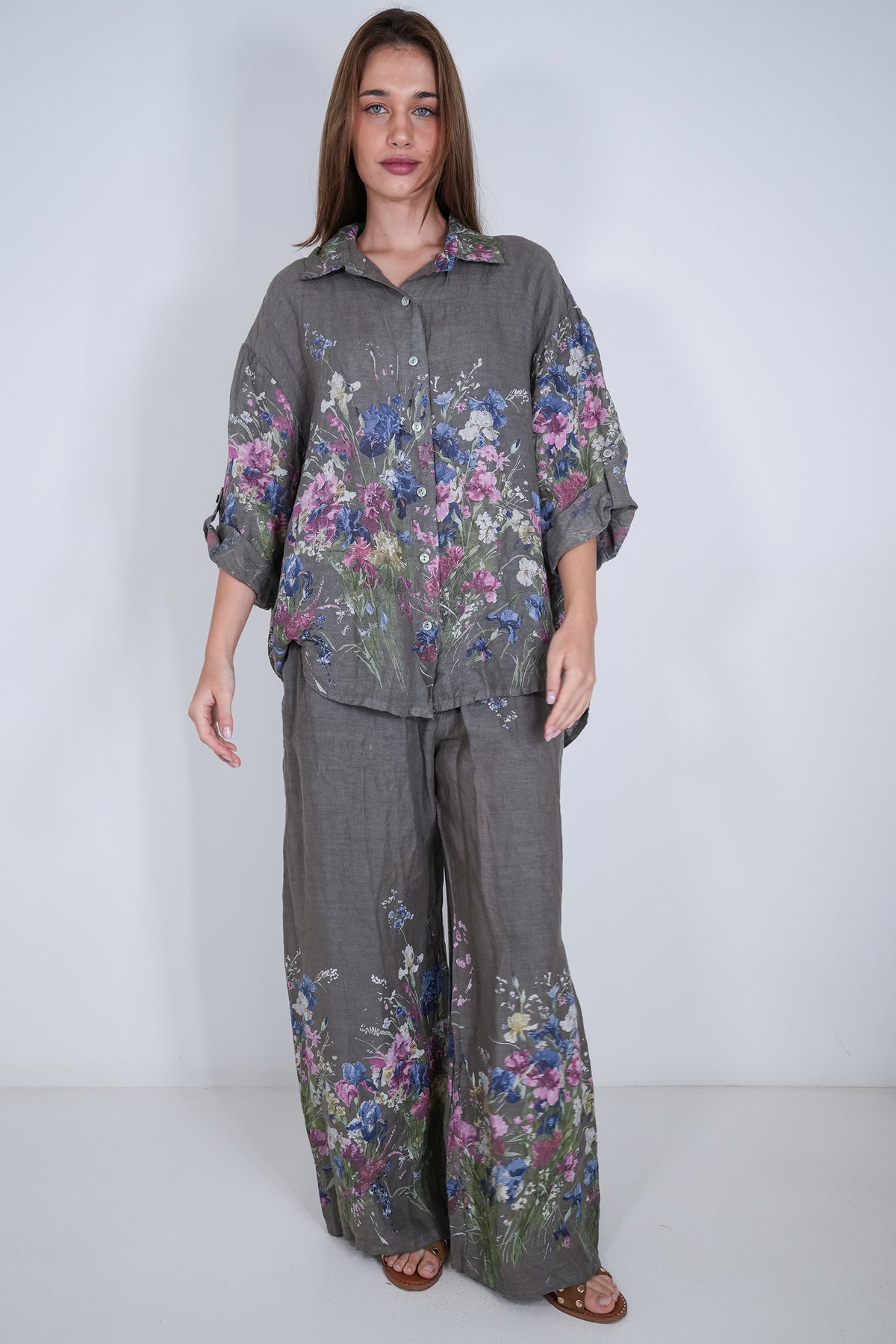

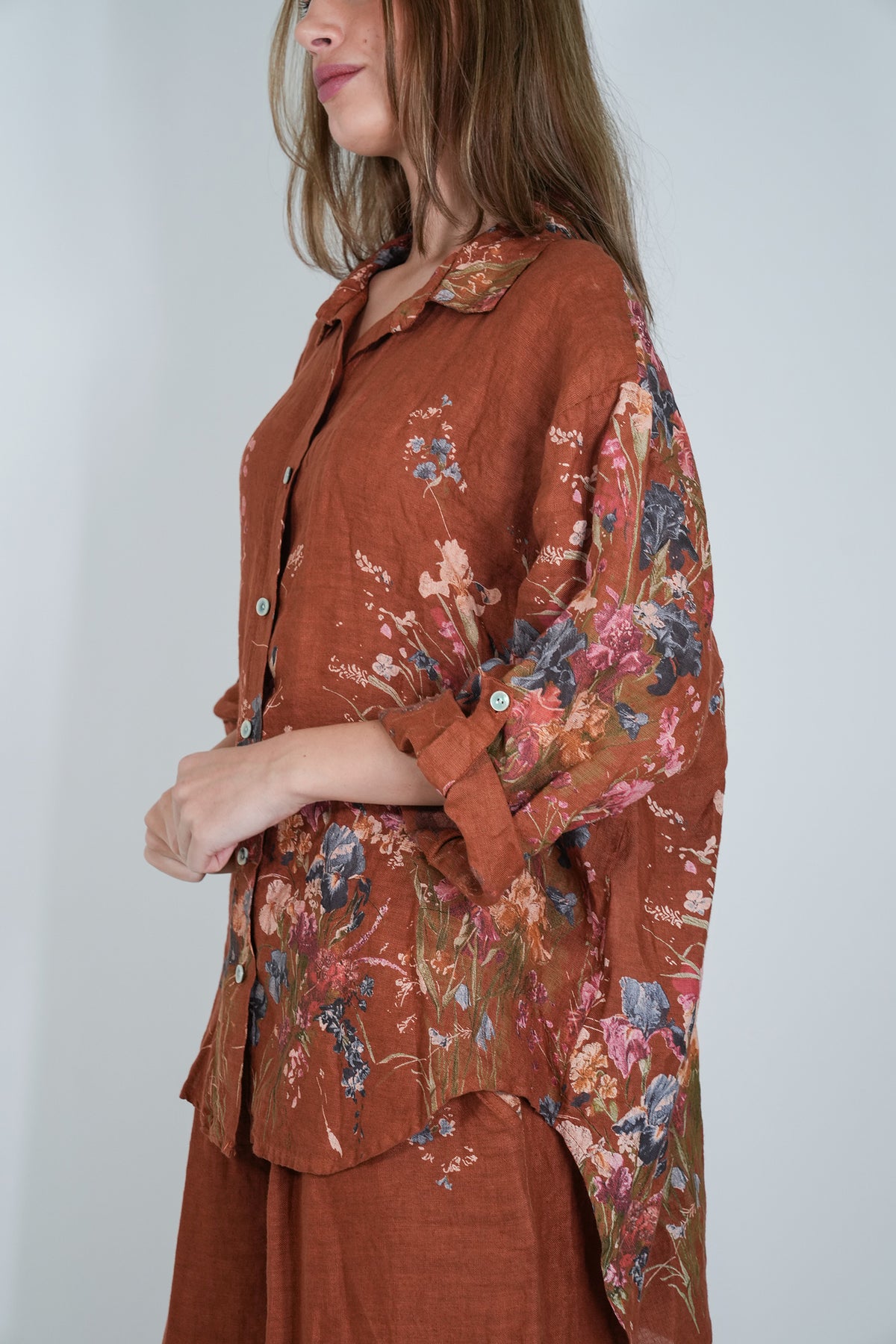

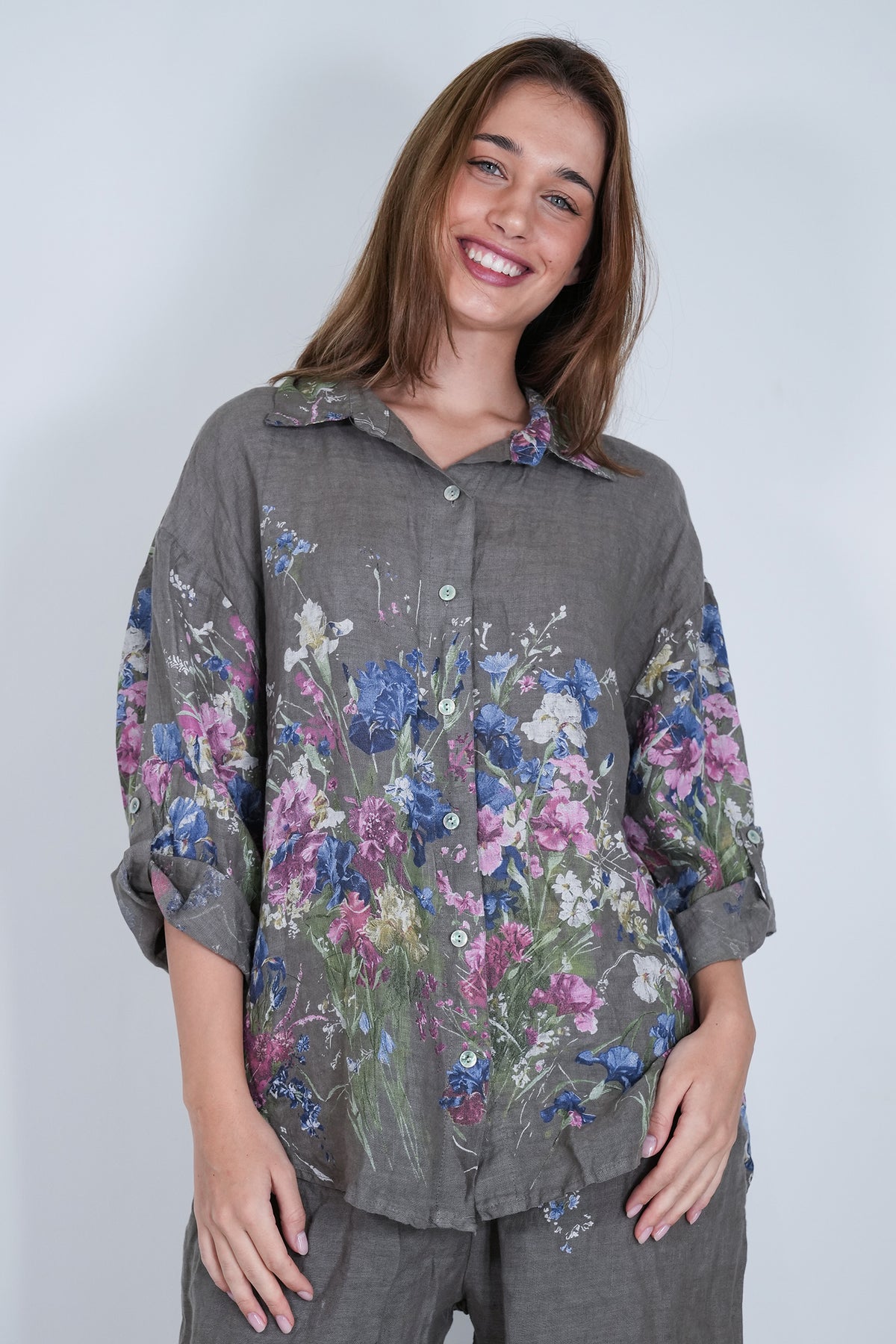
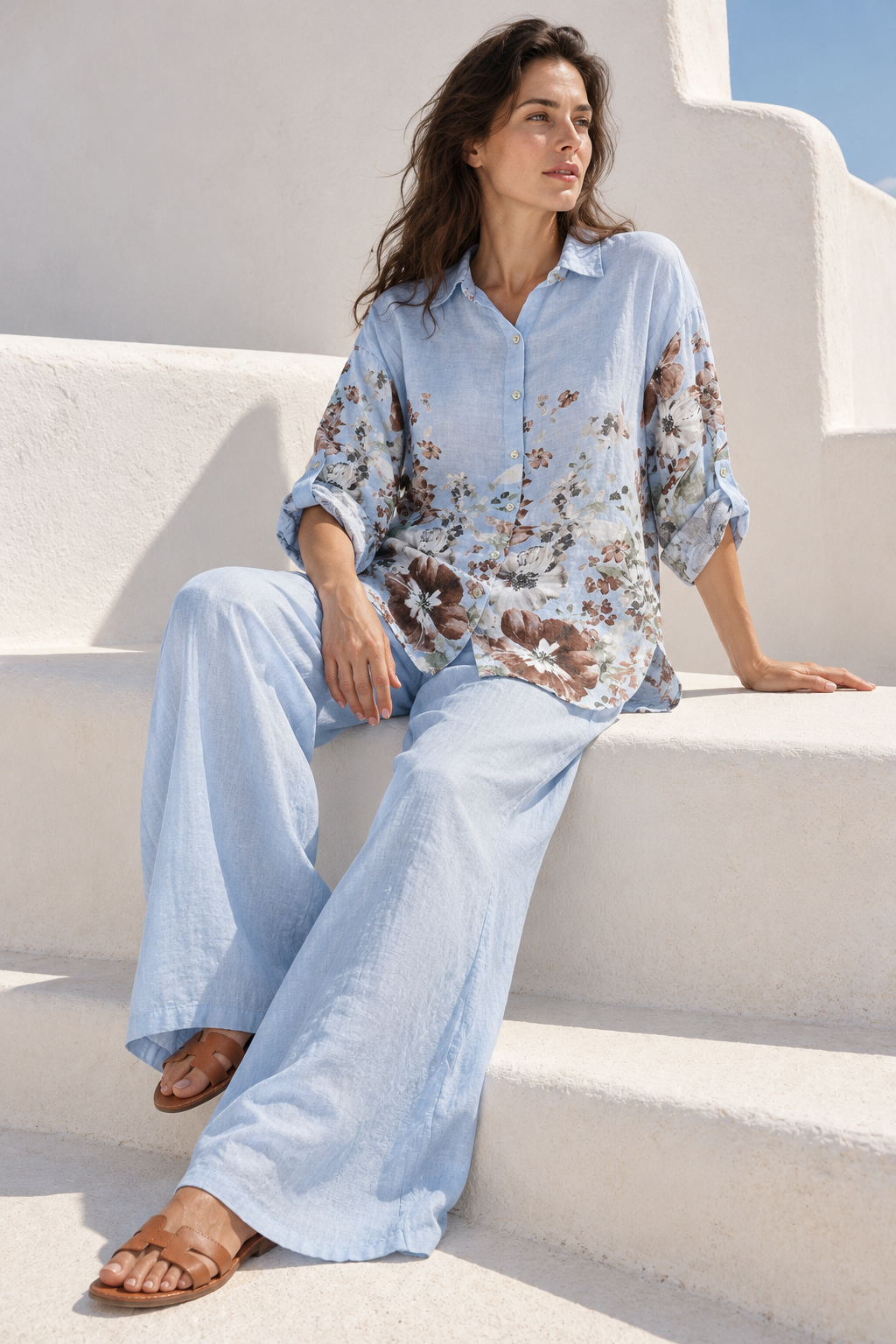
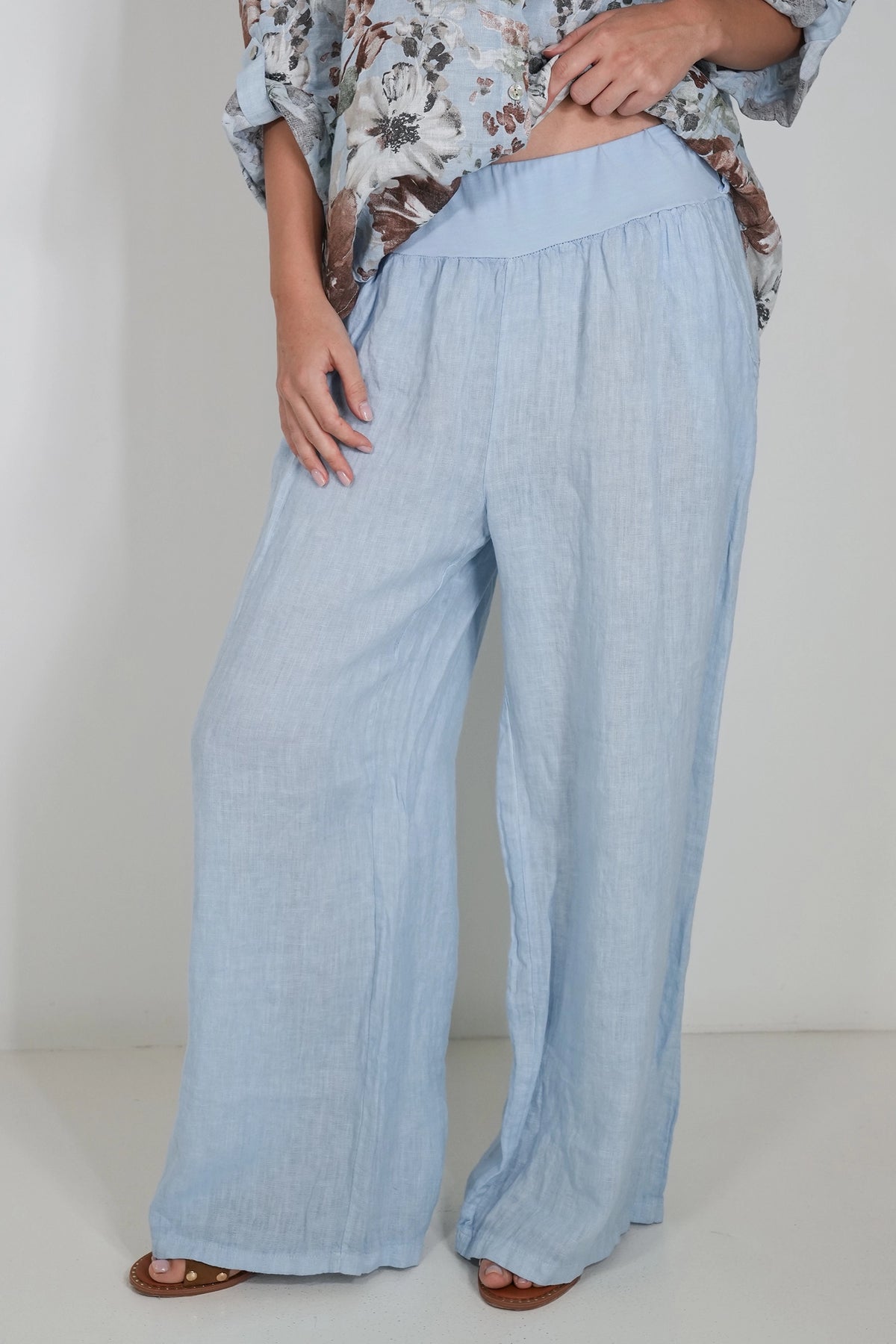
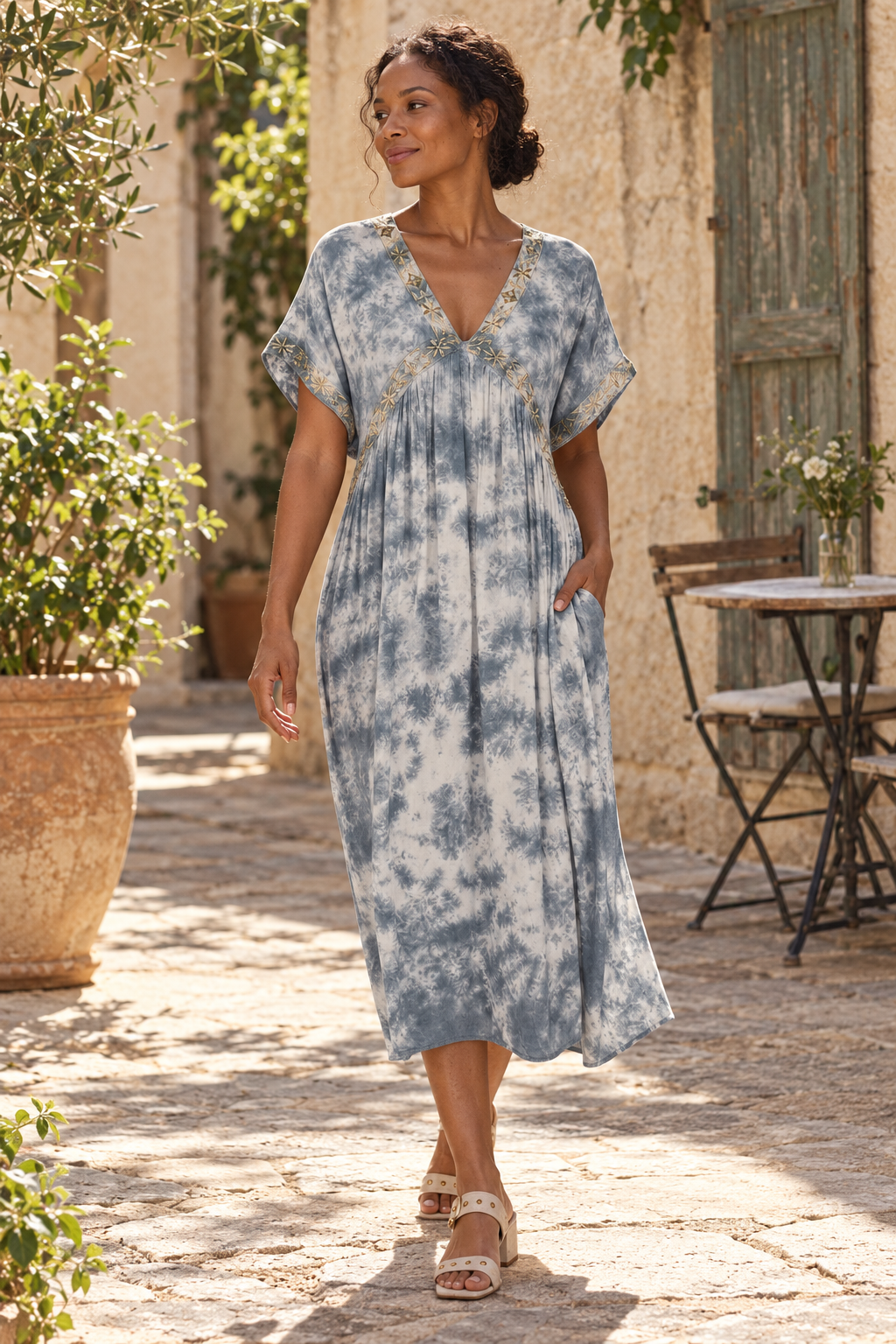
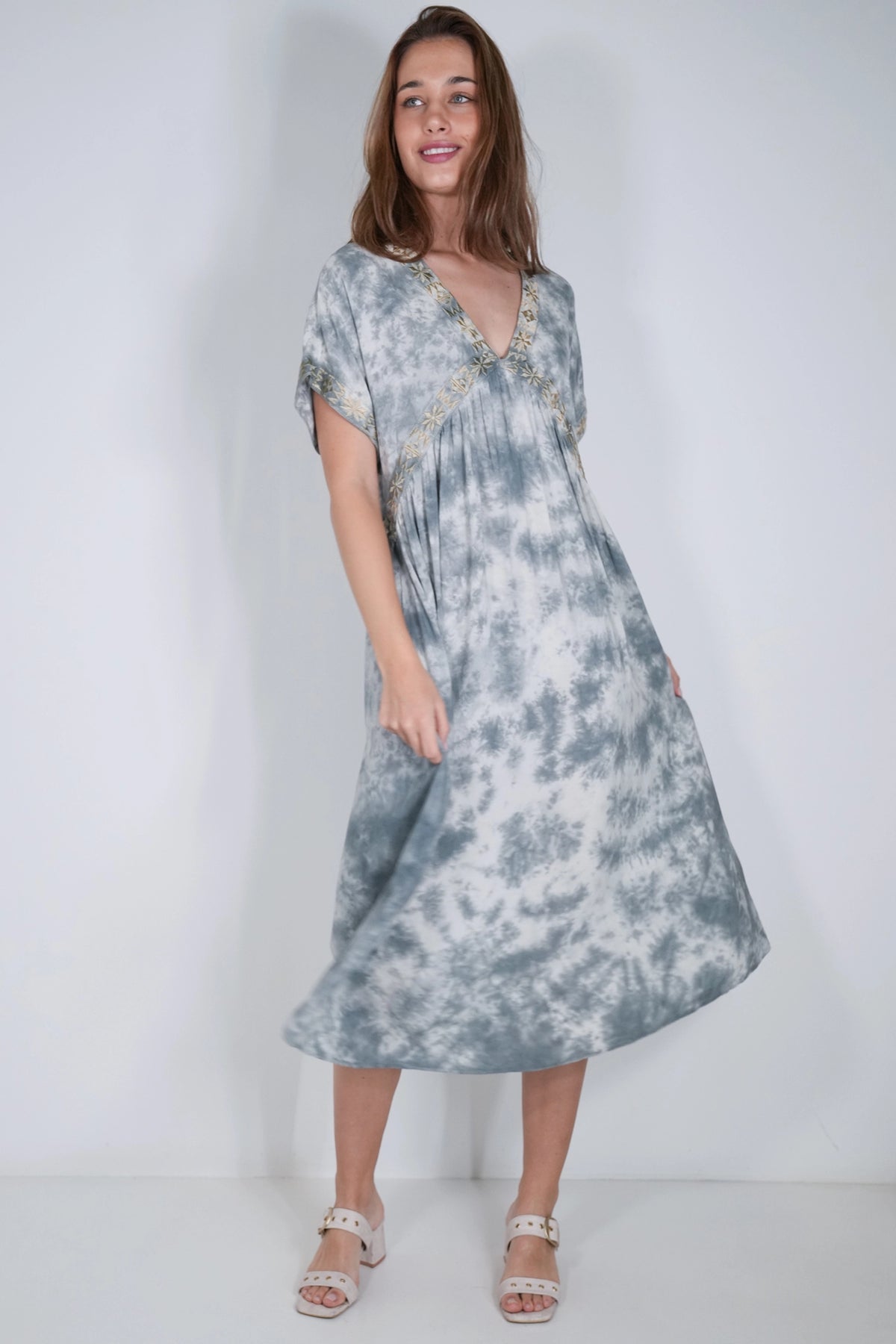
What makes linen the right fabric for South African summers
Linen is spun from flax, the oldest cultivated textile fibre we have. The reason it has survived four thousand years of dressing women well is simple: the fibre is hollow. Air moves through the weave rather than sitting against the skin, which is why linen clothing feels three to four degrees cooler than cotton in the same heat. It wicks moisture rather than trapping it. It dries fast. It does not cling when you sweat. For Cape Town afternoons, Durban humidity and a garden party in Jozi, nothing else in natural fibre touches it. Our linen range leans into this: breathable weaves, natural-feeling colours, nothing treated to within an inch of its life.
The Something Pretty linen edit: what we stock and why
Every piece in our linen clothing edit earns its place. The Delphine shirt and pant, cut relaxed so the fabric can drape and move. The Stella waistcoat and pant, slightly more structured for when the occasion asks for it. The frill tops in aqua, lemon and lime for women who want linen with a softer silhouette. Sit most of these with a ladies blouse underneath a waistcoat and you have a three-piece linen look that takes you from lunch to dinner. Pair any of the linen pants with a fine knitwear top for cooler mornings, and with a silk camisole for warmer evenings.
Linen vs cotton: the honest comparison
Linen is cooler, stronger and longer-lasting than cotton, but cotton is softer on day one and easier to care for. We are asked this often. Cotton is affordable and familiar, but it holds heat, hangs heavier and fades faster. Linen is lighter, cooler and in fact one of the few natural fibres that gets stronger when wet. Cotton looks neutral when freshly pressed. Linen looks lived-in on purpose. If you run hot, travel often, or live above thirty degrees latitude, linen is the better fibre by some distance. The trade-off is the wrinkling, and for most of our customers that is a feature, not a bug.
How to style linen clothing through the day
For a weekend lunch, wear a linen dress with flat leather sandals and a straw bag. For work-from-home, layer a Delphine linen shirt over a fitted tee with wide-leg trousers from our bottoms range. For a smart event, a linen waistcoat over a silk blouse from ladies blouse reads as quiet, considered tailoring. Heading to the coast? The whole resort wear edit pairs naturally with our linen pants and frill tops.
Caring for your linen so it only gets better
Wash cool, turn inside out, and do not wring. Line-dry in shade rather than direct sun (UV fades the colour over seasons, not weeks). Iron while slightly damp on a medium setting if you want a crisp finish, or skip the iron altogether and let the fabric do what linen does best. A linen shirt that has been worn and washed fifty times is almost always better than the same shirt on day one. This is the point of buying well.
Frequently Asked Questions
What are linen clothes?
Linen clothes are garments made from fibres of the flax plant, spun into yarn and woven into fabric. Linen is one of the oldest textiles in the world, with a history of more than four thousand years. Modern linen clothing includes shirts, trousers, dresses, waistcoats, tops and suits. It is prized for being naturally breathable, fast-drying and increasingly soft with every wash.
What is the downside of linen?
The main downside of linen is that it wrinkles easily. The same hollow fibre structure that makes linen cool to wear also means it creases as you move. For most linen lovers this softness and texture is part of the appeal. If crisp is what you need, choose a linen blend with a small percentage of cotton or viscose, or steam the piece before wearing. The creases that bother you on the first wear are the ones that make the garment look beautifully lived-in by the fifth.
Is linen better than 100% cotton?
For warm climates, yes, linen is better than cotton. Linen is more breathable, wicks moisture better, dries faster and feels cooler against the skin than cotton. It also grows stronger when wet, lasts longer if cared for and develops a softer hand with age. Cotton remains easier to care for and less prone to creasing, so it wins on low-maintenance. For South African summers and transitional seasons, linen is the more comfortable fibre.
Is linen a cheap fabric?
No, real linen is not a cheap fabric. The flax plant is labour-intensive to grow, harvest and process, and a well-made linen garment reflects that work. What you sometimes see marketed as linen at low price points is either a linen blend (50% cotton, 30% viscose, 20% linen is common) or a linen-look fabric that does not actually contain flax. Every piece in our edit is genuine linen or a high-percentage linen blend with the composition clearly stated on the label.
Does linen clothing get better with wear?
Yes, linen clothing gets better with wear. Linen softens significantly in the first ten wears and washes, and most of our regulars say their favourite linen piece is one they have owned for five years or longer. The fibre does not pill, does not thin in the way cotton does and holds its shape through hundreds of washes. Buy well once, wear it often, and you are holding something that will outlast most of your wardrobe.
How do I stop linen wrinkling so much?
To stop linen wrinkling, choose a heavier weight, steam rather than iron, and hang garments straight from the wash. First, heavier-weight linen wrinkles less than fine-weave linen. Second, steam relaxes creases without flattening the fabric. Third, hanging linen clothes the moment they come out of the wash lets them dry into their proper shape. Also, reframe the question: soft creases are not a flaw. They are what linen looks like.
Is linen clothing only for summer?
No, linen clothing is not only for summer. Linen layers beautifully through autumn and early winter. Pair linen trousers with a fine knitwear top and a structured jacket from our ladies jacket range, or wear a linen shirt under a wool blazer for a considered transitional look. Heavier linen weights, and linen-wool blends, carry easily into Cape Town winter evenings.
How should I wash my linen?
Machine-wash linen cool on a gentle cycle, turned inside out, and skip the fabric softener. Fabric softener coats the natural fibre and dulls the finish. Line-dry in the shade. Avoid tumble-drying on high heat, which can shrink and weaken linen over time. If a piece creases more than you like, iron it while slightly damp on a medium heat, or hang it in the bathroom while you shower and let the steam do the work.